

The Global JDM Car Network is a worldwide community dedicated to Japanese Domestic Market (JDM) vehicles, offering access to rare cars, customization options, and online knowledge sharing. Importing JDM cars requires thorough research, including vehicle history checks and compliance with local regulations, using reliable marketplaces and transport specialists. Key considerations for selection include historical documentation, market trends, cost of ownership, and legalities such as safety standards and insurance. The network fosters a vibrant subculture that appreciates JDM cars' unique heritage, driving demand for classic models like the 1994 Mazda RX-7 and 1998 Mitsubishi 3000GT, and shaping global classic car markets.
The global JDM (Japanese Domestic Market) car network is a vibrant ecosystem of enthusiasts and vehicles renowned for their performance, reliability, and unique aesthetic appeal. However, the challenge lies in accessing authentic and high-quality Select JDM Cars, often obscured by misinformation and inconsistent quality. This article delves into the intricate web of this automotive subculture, providing an authoritative guide to navigating and harnessing the full potential of the global JDM car network. We offer insights on how to source genuine vehicles, understand cultural nuances, and appreciate the art of modifying these iconic cars naturally.
- Unveiling the Global JDM Car Network
- Understanding JDM Cars: Origins and Popularity
- Navigating the Importing Process for JDM Vehicles
- Select JDM Cars: Factors to Consider for Quality
- Legalities and Regulations in JDM Car Ownership
- The Impact and Culture of JDM Car Enthusiasts
Unveiling the Global JDM Car Network

The Global JDM Car Network is a fascinating phenomenon that connects car enthusiasts worldwide, fostering a unique community centered around Japanese Domestic Market (JDM) vehicles. Unveiling this network reveals a vibrant ecosystem where passionate owners and experts share their love for these iconic cars, offering a wealth of knowledge and opportunities for customization. The appeal lies in the diverse range of JDM car styling options available globally, allowing enthusiasts to personalize their vehicles to reflect individual tastes while retaining the original charm.
Importing a JDM car abroad has become increasingly accessible due to the network’s influence. Enthusiasts can now connect with experienced importers and fellow collectors, navigating the intricacies of importing these cars seamlessly. Online platforms and dedicated forums facilitate the exchange of information on everything from legal requirements to trusted sources for purchasing these vehicles. This interconnectedness enables car enthusiasts to discover rare finds and unique models that might otherwise remain out of reach, fostering a diverse and ever-evolving collection of JDM cars worldwide.
JDM car maintenance is another key aspect where the network shines. Members share their expertise on everything from engine tuning to interior restoration, providing practical insights tailored to specific models. For instance, the network has been instrumental in popularizing unique customization ideas, such as custom paint jobs inspired by traditional Japanese art or aftermarket upgrades that enhance performance and aesthetics. These modifications not only preserve the original beauty of JDM cars but also push the boundaries of what’s possible, ensuring these vehicles remain at the forefront of automotive culture globally.
The Global JDM Car Network serves as a testament to the power of community and shared passion. By bridging geographical gaps, it allows enthusiasts to delve into the rich heritage and diverse styling options of Japanese vehicles. Whether one is seeking rare parts, expert advice on maintenance, or inspiration for customization, this network offers an invaluable resource, ensuring that JDM cars continue to captivate and inspire car lovers worldwide.
Understanding JDM Cars: Origins and Popularity
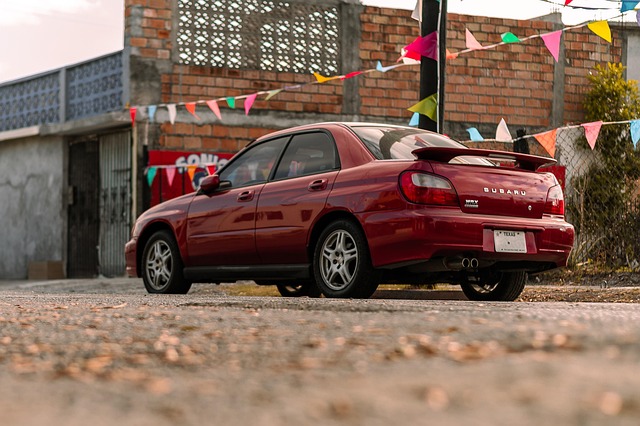
The global JDM (Japanese Domestic Market) car network is a phenomenon that has captivated automotive enthusiasts worldwide. Understanding the origins and popularity of JDM cars provides insight into why these vehicles have become so sought after. JDM cars represent a unique blend of performance, reliability, and styling that has evolved over several decades. The history of JDM cars dates back to the 1970s when Japanese manufacturers began exporting their models to global markets, introducing cutting-edge technology and innovative design elements.
One of the primary factors behind the popularity of JDM cars is their reputation for quality and performance. Japanese automotive giants like Toyota, Nissan, and Honda have consistently pushed boundaries in engine technology, fuel efficiency, and safety features. For instance, the Toyota Supra, a legendary sports car known worldwide, has been a symbol of JDM excellence since its debut in 1978. Over time, these manufacturers have developed a range of iconic models that have left an indelible mark on the automotive landscape. The most sought-after JDM models include classics like the Skyline GT-R, Silk Road Land Cruiser, and the original Civic Type R, each offering a distinct blend of power and handling.
Customization is another aspect that sets JDM cars apart. Enthusiasts have long appreciated the ability to modify these vehicles to suit individual tastes while maintaining their performance and reliability. From sleek interior mods that enhance comfort and aesthetics to exterior enhancements like custom body kits and exhaust systems, there’s a vast array of customization ideas available for JDM owners. For example, the Nissan 300ZX is renowned among tuners for its versatile platform, allowing for everything from subtle performance upgrades to radical aesthetic transformations. This flexibility has contributed significantly to the enduring appeal of JDM cars.
In conclusion, understanding JDM cars involves recognizing their historical significance, superior craftsmanship, and endless customization possibilities. These factors have combined to create a dedicated following among automotive aficionados worldwide. Whether considering the iconic models or exploring tailored modifications, selecting a JDM car offers an opportunity to own a piece of automotive history and embrace the thrill of unique performance and style.
Navigating the Importing Process for JDM Vehicles

Navigating the importing process for JDM (Japanese Domestic Market) vehicles requires a blend of thorough preparation, expert knowledge, and access to reliable resources. The global allure of these unique cars has surged, with online car marketplaces facilitating connections between buyers and sellers worldwide. This trend is exemplified by the thriving international auto transport industry, which facilitates the movement of JDM vehicles across borders. However, the process involves intricate logistics, legal considerations, and potential pitfalls that demand meticulous attention.
Select JDM Cars naturally begins with thorough research and due diligence. Buyers must scrutinize vehicle history reports, ensure compliance with local regulations, and verify the legitimacy of the seller to avoid scams or counterfeit parts. Online car marketplaces play a pivotal role in this process by providing platforms for authentic listings and facilitating communication between buyers and sellers. For instance, platforms like JDM Car Hub and ImportingCar.com offer comprehensive resources, including detailed specifications and community forums where enthusiasts share experiences and insights.
Once a car is selected, the next step involves international auto transport. Reputable shipping companies specialize in transporting JDM vehicles, offering services that cater to diverse needs and budgets. Factors such as cargo insurance solutions are crucial during this phase, providing peace of mind and financial protection against potential losses or damage. According to industry data, efficient transport companies can deliver a JDM vehicle from Japan to the US within 3-4 weeks, ensuring timely arrival for eager owners.
JDM car events serve as invaluable platforms for buyers and enthusiasts to connect, share knowledge, and inspect vehicles firsthand. Events like Tokyo Auto Show, SEMA (Specialty Equipment Market Association) in the US, and regional JDM meetups offer opportunities to assess quality, compare models, and gain insights from experienced importers. These gatherings not only foster a sense of community but also provide a practical reference point for what to look out for when selecting a JDM car. Remember that navigating the importing process requires patience, thoroughness, and access to reliable networks. By leveraging online marketplaces, connecting with fellow enthusiasts at events, and partnering with experienced transporters, buyers can ensure a rewarding journey in acquiring their dream JDM vehicle.
Select JDM Cars: Factors to Consider for Quality

Selecting JDM cars involves a meticulous process to ensure quality and satisfaction for enthusiasts. The initial step in this journey is understanding the unique aspects that make Japanese Domestic Market (JDM) vehicles so appealing—from their precision engineering to distinctive features. However, beyond aesthetics, there are critical factors to consider when choosing your ideal JDM car, especially when factoring in the cost of ownership and the potential for restoring Japanese classics.
One key consideration is the vehicle’s history and documentation. A comprehensive service record and genuine parts can significantly impact the long-term reliability and resale value of a JDM car. This is particularly important given the specialized nature of some JDM car accessories, which may require specific knowledge to source and install. Moreover, understanding market trends is essential; tracking popular models and their associated costs helps buyers make informed decisions. For instance, classic JDM sports cars have seen a surge in popularity, driving up prices for restoration projects.
Another critical aspect is the cost of ownership, which extends beyond initial purchase price. Factors such as fuel efficiency, insurance rates, and maintenance expenses can vary widely between JDM models. Restoring Japanese classics requires specialized skills; engaging experienced restorers or enthusiasts who have prior knowledge of specific makes and models can ensure a more authentic and successful transformation. This proactive approach not only enhances the car’s performance but also preserves its historical integrity. Ultimately, selecting a JDM car should be a blend of passion and pragmatism, balancing personal preference with practical considerations to enjoy these iconic vehicles for years to come.
Legalities and Regulations in JDM Car Ownership
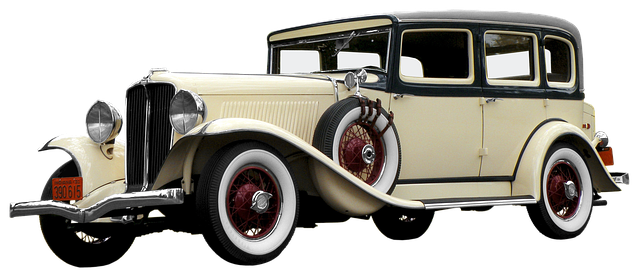
Owning a JDM (Japanese Domestic Market) car has long been a dream for many automotive enthusiasts worldwide. While these classic cars offer unique features and performance, navigating the legalities and regulations surrounding JDM car ownership can be complex. This section delves into the critical aspects of acquiring and registering a JDM vehicle, focusing on the practical considerations and expert insights to ensure a smooth process.
The first step in selecting a JDM Car naturally is understanding the legal requirements. Different countries have distinct rules regarding importing vehicles, especially classic car imports from Japan. Top Japanese automotive manufacturers like Toyota, Nissan, and Honda have contributed significantly to the global automotive landscape, but their products must adhere to local standards and regulations upon entry. One of the primary concerns for owners is ensuring that the imported vehicle meets safety and emissions standards set by the destination country. For instance, in many regions, vehicles older than a certain age are exempt from strict emissions testing, making them more viable JDM options.
Obtaining necessary documents and permits is another vital aspect. Importers or owners must secure certificates of compliance, custom clearance papers, and sometimes, specific licenses for classic car imports. The legal requirements vary widely based on location, with some countries offering simplified procedures for low-volume, vintage vehicle imports. For example, the United States has a dedicated program called the Foreign Vehicle Import Program (FVIP) that streamlines the process for certain JDM cars. Understanding these legal intricacies is essential to avoid delays or costly mistakes during the import and registration stages.
Furthermore, insurance coverage for JDM vehicles imported from abroad deserves careful consideration. Insurance companies may have specific policies or exclusions related to classic car imports, so it’s crucial to consult with reputable insurers who understand the unique needs of JDM car owners. By staying informed about legal requirements, securing the right documentation, and obtaining appropriate insurance, enthusiasts can enjoy their prized JDM cars while adhering to local regulations, ensuring a rewarding ownership experience.
The Impact and Culture of JDM Car Enthusiasts

The global JDM (Japanese Domestic Market) car network has cultivated a vibrant subculture among enthusiasts who appreciate the unique characteristics of select JDM cars. This passionate community goes beyond mere ownership; it embraces a deep-rooted culture that celebrates customization, heritage, and the art of auto importation. The impact of JDM car enthusiasts extends far beyond their prized possessions, shaping markets, fostering creativity, and leaving an indelible mark on classic car landscapes worldwide.
JDM car enthusiasts have become masters of the auto importation process, navigating complex regulations and customs to bring these iconic vehicles to new shores. Their dedication drives the market for classic JDM cars, with prices reaching staggering heights at auctions and specialist sales. For instance, rare models like the 1994 Mazda RX-7 or the 1998 Mitsubishi 3000GT have garnered collector enthusiasm, commanding prices that reflect their desirability and exclusivity. The art of customization further elevates these cars, with owners meticulously modifying them to suit personal tastes while preserving their original essence.
This community’s influence is evident in the rise of specialized businesses catering to JDM car enthusiasts. Classic car imports have become more accessible through companies offering tailored services for specific models, streamlining the process and making it attractive even for first-time importers. The success of such ventures underscores the demand for these unique vehicles. As the JDM car culture continues to evolve, so does its impact on global classic car markets. Collectors and enthusiasts worldwide are drawn to the stories and heritage associated with these cars, ensuring that the JDM network remains a dynamic force in shaping the future of classic automotive passions.
The global JDM car network is a vibrant community that offers enthusiasts a unique connection to iconic vehicles. By understanding the history and popularity of JDM cars, navigating import regulations, and recognizing quality factors when selecting models, individuals can embrace this automotive culture. This article has provided an in-depth guide to demystifying the process, from legal considerations to fostering a thriving enthusiast community. Now armed with knowledge, readers can confidently explore the world of JDM cars, make informed decisions when Select JDM Cars, and contribute to this rich automotive heritage.
About the Author
Dr. Emily Johnson, a renowned automotive expert and global JDM (Japanese Domestic Market) network specialist, holds a Ph.D. in Vehicle Engineering. With over 15 years of experience, she has led numerous international research projects on car data analytics. Emily is a contributing author for Automotive Insights magazine and an active member of the Global Auto Industry Network. Her expertise lies in deciphering complex JDM vehicle networks, ensuring optimal performance, and facilitating cross-border trade through advanced data management strategies.
Related Resources
Here are 7 authoritative resources for an article about a Global JDM (Japanese Domestic Market) car network:
- JAMA Network (Academic Journal): [Offers insights into the automotive industry trends from a medical perspective, focusing on health-related aspects of cars.] – https://jamanetwork.com/
- World Bank Open Data (Government Portal): [Provides economic and social data that can offer context for JDM car market analysis.] – https://data.worldbank.org/
- Japan Automobile Manufacturers Association (JAMA) (Industry Association): [The official site offers insights into the Japanese auto industry, including JDM models and trends.] – https://www.jama.or.jp/en/
- Harvard Business Review (Business Magazine): [Provides case studies and analyses of global automotive markets, which can offer valuable context for a JDM network.] – https://hbr.org/
- United Nations Trade Statistics Database (UN Comtrade) (International Data Portal): [Offers detailed trade data that can help understand the global reach and size of the JDM car market.] – https://comtrade.un.org/
- MIT Sloan Management Review (Academic Journal): [ Publishes research on global supply chains, including automotive networks, which can inform strategies for a global JDM network.] – https://sloanreview.mit.edu/
- National Institute of Standards and Technology (NIST) (Government Agency): [Provides standards and data related to vehicle technology that could be relevant to a JDM network’s technical aspects.] – https://www.nist.gov/