

Select JDM Cars, introduced by Japanese manufacturers in limited editions, offer exceptional performance, style, and cultural value globally. Buying one requires careful consideration of legality, cost, and consultation with automotive experts. These cars feature advanced technologies, unique designs, and specialized engineering, with iconic models like the Nissan Skyline GT-R and Toyota Supra solidifying Japan's auto excellence. Selecting, importing, and maintaining these rare vehicles require strategic knowledge, professional support, and community engagement to preserve their historical value and ensure legal compliance.
The allure of limited edition JDM (Japanese Domestic Market) models among automotive enthusiasts is undeniable. These rare vehicles, often featuring unique design elements, advanced engineering, and powerful performance, have garnered a cult following worldwide. However, navigating the market to discover genuine gems can be challenging. This article provides an in-depth exploration of authenticating limited edition JDM cars, empowering buyers to make informed decisions and secure these coveted models without falling victim to counterfeits. Our expert guide cuts through the noise, offering practical insights for discerning enthusiasts.
- Unveiling the JDM Limited Edition Phenomena
- Historical Overview: JDM Cars' Evolution
- Defining Characteristics: What Makes Them Unique
- Select JDM Cars: A Buyer's Guide
- Market Trends and Collectibility Factors
- Owning a Piece of History: Preservation Tips
Unveiling the JDM Limited Edition Phenomena

The phenomenon of Limited Edition JDM (Japanese Domestic Market) cars has captivated automotive enthusiasts worldwide. These exclusive models offer a unique blend of performance, style, and cultural significance, making them highly sought after. JDM cars, known for their precision engineering and cutting-edge technology, have carved a niche in the global automotive market. Among these, limited editions stand out for their scarcity and enhanced appeal.
Unveiling these special editions requires an understanding of both the Japanese automotive culture and the specific models that have garnered popularity. Many JDM car enthusiasts appreciate the affordability aspect, as these limited-run vehicles often provide superior performance at more accessible price points compared to their international counterparts. For instance, the Nissan Skyline GT-R is a legendary JDM model with various limited edition variants, each boasting enhanced specifications and unique features. Japanese car service centers play a crucial role in sourcing and modifying these models for global markets, ensuring they meet legal requirements while preserving their original essence.
When selecting a JDM Car, it’s essential to consider factors such as legality and maintenance needs. Different countries have varying regulations regarding import and registration of these vehicles. For example, certain modifications may require permits or affect warranty validity. Therefore, buyers should consult local authorities and automotive experts for guidance. Moreover, while some limited edition JDM cars are relatively affordable due to their age and market availability, others can be quite expensive, reflecting their rarity and desirability.
Historical Overview: JDM Cars' Evolution

The evolution of Limited Edition JDM (Japanese Domestic Market) cars is a captivating journey that reflects the automotive industry’s artistic and technological prowess. These exclusive models have garnered immense popularity worldwide for their distinctive styling, innovative features, and exceptional performance, often setting trends in the global automotive landscape. The history of JDM cars dates back to the late 20th century when top Japanese automotive manufacturers like Toyota, Nissan, and Honda began producing vehicles tailored to meet the specific needs and preferences of the Japanese market. These original equipment JDM models were not merely local variations; they were carefully crafted to offer enhanced driving dynamics, advanced safety features, and unique aesthetics.
One of the key factors contributing to the success of JDM cars was their focus on compact yet efficient engines. Japanese manufacturers pioneered turbocharging and direct injection technologies, resulting in powerful and fuel-efficient powertrains that became hallmarks of these vehicles. For instance, Toyota’s Supra MK4, released in 1993, featured a 3.0L twin-turbo inline-six engine delivering an impressive balance of raw power and everyday drivability. This period also saw the rise of iconic models like the Nissan Skyline GT-R (R33), equipped with a hand-built, high-revving V6 engine, solidifying Japan’s reputation for engineering excellence. Over time, these select JDM cars transcended geographical boundaries, finding devoted followers among auto enthusiasts globally.
As the years progressed, JDM manufacturers continued to push boundaries, incorporating advanced electronic control systems and refining their vehicles’ handling characteristics. The 1990s and early 2000s witnessed a surge in popularity for these limited-edition models, often produced in small volumes to maintain exclusivity. Expert auto repair shops played a crucial role in catering to the needs of JDM car owners, ensuring that these high-performance vehicles remained in top condition. Today, original equipment JDM cars are highly sought after by collectors and enthusiasts alike, with some models commanding premium prices at auctions worldwide. This rich automotive heritage serves as a testament to Japan’s continuous innovation and dedication to crafting exceptional driving machines.
Defining Characteristics: What Makes Them Unique

Limited edition JDM models stand out for their unique blend of performance, aesthetics, and exclusivity. Defining characteristics of these cars include specialized engineering, often featuring turbocharged JDM cars with enhanced power outputs and precision handling. Each model is meticulously crafted to deliver an unparalleled driving experience, appealing to enthusiasts who appreciate both style and substance.
These limited editions frequently incorporate innovative technologies and design cues that set them apart from their mass-produced counterparts. Japanese manufacturers are renowned for their expertise in auto engineering, ensuring these cars not only look the part but also perform admirably on both road and track. For instance, models like the Nissan Skyline GT-R and Toyota Supra have become icons within the JDM community due to their extraordinary performance characteristics and distinctive styling.
Selecting a JDM car requires a deep understanding of the market and the specific model’s needs. Engaging the services of expert auto repair specialists can facilitate this process, offering guidance on genuine parts and proper maintenance. Secure car importation is another critical aspect, ensuring that vehicles meet local regulations and safety standards. When done right, owning a limited edition JDM car becomes an investment not just in a vehicle but in a piece of automotive history, providing both pride of ownership and an exhilarating driving experience.
Select JDM Cars: A Buyer's Guide
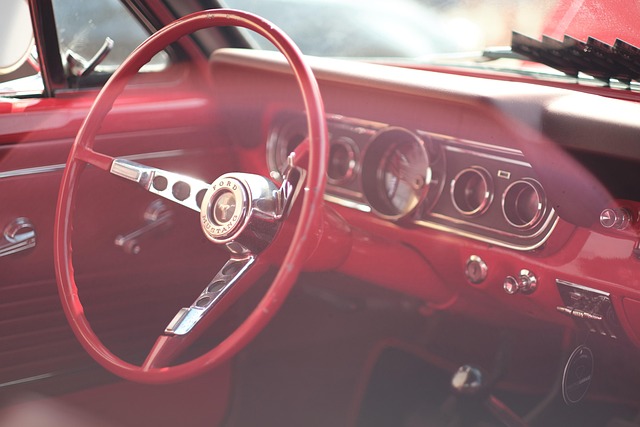
When it comes to selecting a limited edition JDM (Japanese Domestic Market) model, it’s crucial to approach the process with a strategic eye and deep knowledge. The allure of these cars lies not just in their rarity but also in the unique blend of performance, style, and cultural significance they offer. Start by identifying your specific needs and preferences—whether you’re after raw power, meticulous craftsmanship, or cutting-edge technology. For instance, the Nissan Skyline GT-R is renowned for its formidable engine and handling dynamics, while the Toyota Supra’s history in racing makes it a timeless classic among enthusiasts.
Next, research Japanese car service centers specializing in JDM models. These centers often have access to rare parts and expertise needed for proper maintenance and repairs. They can also facilitate professional car importation, ensuring you get the vehicle in optimal condition. Consider working with reputable dealers who understand the nuances of JDM cars and can guide you through the legal and logistical aspects of ownership. For example, Japan’s strict export regulations and varying specifications between markets require careful consideration to avoid surprises.
Attend enthusiast gatherings and car shows where these models often take center stage. These events provide an invaluable opportunity to inspect vehicles up close, consult with owners, and gain insights into the community. You might discover hidden gems or learn about modifications that enhance performance or aesthetics. Moreover, connecting with like-minded individuals can open doors to exclusive sourcing opportunities and future collaborations. For instance, local JDM clubs often organize meetups, track days, and auctions, fostering a vibrant exchange of knowledge and passion for these iconic cars.
Finally, ensure you’re prepared for the ongoing costs of ownership. Japanese car service centers can help with maintenance plans tailored to JDM models. Regular tune-ups, specialized fluids, and genuine parts are essential to preserve performance and value. Additionally, consider insurance rates and potential import taxes when budgeting. With meticulous selection, professional support, and community engagement, owning a limited edition JDM car becomes not just an acquisition but a meaningful investment in automotive heritage.
Market Trends and Collectibility Factors

The market for limited edition JDM (Japanese Domestic Market) models has experienced a significant surge in popularity among select auto collection enthusiasts. These rare JDM cars, often produced in small quantities, have become coveted items for import car enthusiasts worldwide. The unique blend of performance, style, and cultural significance inherent in these vehicles drives their collectibility. Factors such as limited availability, distinctive design elements, and the evolution of Japanese car culture contribute to their rising values.
Consider, for instance, the iconic Nissan Skyline GT-R. Limited edition models like the R34 variant, produced from 1999 to 2007, are now highly sought after. Their advanced performance technology, combined with a production run of just over 16,000 units globally, makes them particularly appealing to collectors. Similarly, the Toyota Supra MKIV, imported in limited quantities to select markets, has become a staple in any serious auto collection, with its distinctive design and powerful engine making it a favorite among enthusiasts.
For import car enthusiasts, the allure of rare JDM models goes beyond mere performance. These cars represent a piece of Japanese automotive history and culture. They embody the innovative engineering and design aesthetics that have made Japan a global leader in the auto industry. As a result, collecting these limited edition JDM cars has become more than just an investment; it’s a passion for preserving a unique aspect of automotive heritage while enjoying the thrill of driving rare, high-performance vehicles.
To maximize the value and enjoyment of your select JDM Car collection, stay informed about market trends through auto publications and forums. Invest in quality storage solutions to preserve the condition of your vehicles. Regularly inspect and maintain your collection to ensure their longevity. Lastly, consider joining communities of like-minded enthusiasts who can offer valuable insights and advice. By doing so, you’ll not only enhance your collecting experience but also contribute to the vibrant Japanese car culture that continues to captivate fans worldwide.
Owning a Piece of History: Preservation Tips

Owning a limited edition JDM (Japanese Domestic Market) car is a unique opportunity to possess a piece of automotive history. These models are highly sought after by collectors worldwide for their distinctive design, performance, and cultural significance. However, preserving these vintage cars presents specific challenges. Proper care is essential to maintain their value, originality, and ensure they remain street legal when imported abroad.
One of the key aspects of JDM car preservation is understanding the vehicle’s original specifications and maintaining its authenticity. These limited editions often have unique features, from engine modifications to interior design elements that differ from their international counterparts. Regular inspections and maintenance are crucial to identify any potential issues or signs of wear. For instance, a 1994 Toyota Supra MK IV, known for its legendary performance, requires specific care for its turbocharger system, which is both a source of power and potential complexity. Regular tune-ups and parts replacement, ideally with original equipment manufacturer (OEM) or high-quality aftermarket components, ensure the car remains reliable and maintains its historical integrity.
Importing a JDM car abroad adds another layer of complexity. Different countries have varying legal requirements for street legality, registration, and emissions testing. For example, importing a 1998 Mazda RX-7 to Europe involves meeting stricter emission standards and possibly modifying the car to comply with local regulations. This process requires careful planning and knowledge of customs procedures, as well as ensuring the car’s historical accuracy during any necessary modifications. Consulting with experts in JDM street legal imports can provide valuable guidance on navigating these complexities, enabling owners to bring their historical vehicles safely and legally onto the roads again.
By exploring the multifaceted world of limited edition JDM models through sections like historical overview, defining characteristics, select JDM cars guidance, market trends, and ownership tips, this article has unveiled key insights for enthusiasts and collectors. Understanding the evolution and unique appeal of JDM cars equips buyers with valuable knowledge when selecting these coveted vehicles. Recognizing market trends and collectibility factors enables informed decisions. Moreover, preserving these pieces of automotive history through proven tips ensures their longevity and integrity. Armed with this comprehensive guide, readers are now equipped to navigate the landscape of Select JDM Cars with confidence, securing a piece of automotive legacy that transcends mere ownership.