

Certified Pre-Owned JDM cars offer enthusiasts high-quality, rare Japanese vehicles with superior build, features, and performance. Top manufacturers provide CPO programs for buyer confidence. Selecting JDM cars requires considering model year, mileage, records, and market comparables. Research pricing guides and insurance tailored for these unique vehicles. Engage with online communities for insights and connections. Thorough research ensures a rewarding ownership experience preserving vintage value.
The global automotive market is witnessing a surge in popularity for Certified Pre-Owned (CPO) vehicles, particularly JDM (Japanese Domestic Market) cars known for their reliability and unique features. However, navigating this space can be challenging, as discerning buyers seek authentic quality without compromise. This article provides an authoritative guide to demystifying the CPO JDM car market, offering insights into selection criteria, trusted sources, and expert tips to ensure a satisfying purchase. By following our comprehensive approach, you’ll gain the knowledge needed to Select JDM Cars naturally, securing a reliable and rewarding investment.
- Understanding Certified Pre-Owned JDM Cars
- The Appeal of Japanese Domestic Market Vehicles
- How to Select Reliable JDM Car Models
- Uncovering the Best JDM Brands and Features
- Maintaining and Customizing Your JDM Acquisition
Understanding Certified Pre-Owned JDM Cars

Certified Pre-Owned JDM cars represent a unique opportunity for automotive enthusiasts to acquire high-quality, often rare Japanese vehicles at competitive prices. To fully understand this segment of the market, it’s essential to grasp what sets these vehicles apart from their new counterparts and how buyers can navigate the landscape effectively.
JDM (Japanese Domestic Market) cars are known for their exceptional build quality, innovative features, and dynamic driving dynamics, often surpassing their global equivalents in terms of performance and reliability. When a JDM car is certified pre-owned, it undergoes a rigorous inspection process conducted by reputable dealers or specialized certification bodies. This process ensures that the vehicle meets specific criteria regarding its mechanical condition, history, and authenticity. Look for certifications from top Japanese automotive manufacturers like Toyota, Honda, Nissan, Subaru, and Mazda, who often offer their own CPO programs. These programs not only enhance buyer confidence but also streamline the selection process by focusing on models known for their longevity and desirability.
Selecting a JDM car naturally involves considering factors such as model year, mileage, maintenance records, and comparatives within the Japanese car market. Japanese car comparisons reveal that some models hold their value better than others, with iconic sports cars like the Toyota Supra or Nissan Skyline often commanding premium prices even in pre-owned condition. Pricing guides are invaluable tools for understanding market trends and negotiating deals. Moreover, auto insurance solutions tailored for JDM vehicles can make ownership more affordable by accounting for specific maintenance requirements and unique features. Attending JDM car events and joining online communities facilitates connections with fellow enthusiasts, providing insights into the latest offerings and potential trouble spots to watch out for. Ultimately, a well-informed decision when purchasing a certified pre-owned JDM car can result in a rewarding ownership experience that combines performance, reliability, and cultural heritage.
The Appeal of Japanese Domestic Market Vehicles

Japanese Domestic Market (JDM) vehicles have garnered a dedicated following among automotive enthusiasts worldwide. The allure of JDM cars goes beyond their sleek designs and advanced technologies; it’s deeply rooted in their unique history, cultural significance, and exceptional driving dynamics. These factors have made select JDM cars highly sought-after classics, with some models commanding prices as high as 3 times the average market value for comparable vehicles from other markets.
Consider Japanese bike enthusiasts who covet iconic classic Japanese bikes like the Honda CB750 or Suzuki GSX-R from the 1980s. These motorcycles are celebrated for their innovative engineering, superior build quality, and distinctive styling that set them apart from their global counterparts. Similarly, JDM street legal imports such as the Toyota Supra, Nissan Skyline GT-R, and Mazda RX-7 have become legends on both the track and the street, inspiring countless performance enthusiasts. Japanese car comparisons often highlight these vehicles’ precision handling, responsive engines, and cutting-edge features that pushed automotive boundaries in their respective eras.
When delving into the world of JDM cars, a practical understanding of pricing guides is essential. According to industry experts, JDM car pricing can vary widely based on factors like rarity, condition, and market demand. For instance, while a restored 1994 Mazda RX-7 might fetch around $30,000 in the global market, its JDM equivalent could sell for up to $80,000 or more due to its cultural significance and scarcity. This underscores the importance of thorough research and consultation with experienced dealers or collectors before making a significant investment in a JDM car or classic Japanese bike.
How to Select Reliable JDM Car Models

Selecting reliable JDM (Japanese Domestic Market) car models requires a blend of automotive knowledge, keen observation, and understanding of both regional and global markets. Start by focusing on models known for their robust engineering and long-term reliability, such as older Toyota Corollas or Nissan Skylines. These vehicles have proven their mettle over the years, offering excellent value for those seeking vintage car preservation. Custom auto workshops can play a pivotal role in this process, providing expertise in evaluating pre-owned JDMs to ensure hidden flaws are uncovered and necessary repairs executed correctly.
Next, delve into JDM car reviews from reputable sources. These insights offer a glimpse into the nuances of specific models, highlighting areas that may require closer scrutiny during your selection. For instance, while an otherwise pristine 1990s Toyota Supra might seem appealing, consider the legal requirements for importing such vehicles into certain regions and whether the necessary documentation is readily available. Data suggests that well-preserved JDM classics can retain significant value, making them sound investments for collectors but requiring meticulous care to avoid common pitfalls.
Additionally, consult with automotive experts or veteran JDM enthusiasts who can guide you on models known for their longevity and performance. They may recommend specific years or trim levels renowned for their reliability, helping you make informed decisions. Remember that each JDM car is unique, so engaging in thorough research, consulting specialists, and ensuring proper vintage car preservation methods are key to selecting a truly remarkable and dependable JDM model that meets your needs.
Uncovering the Best JDM Brands and Features
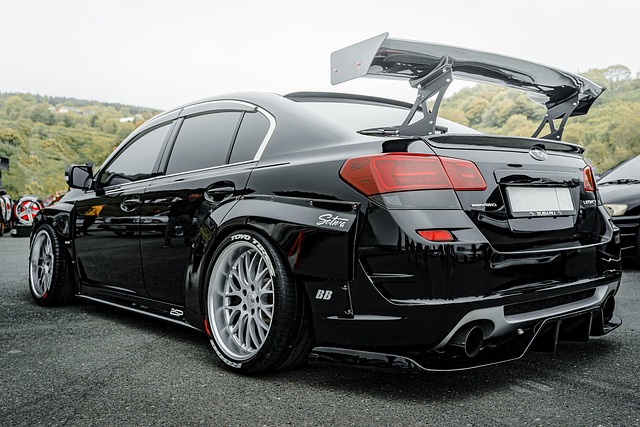
When delving into the world of certified pre-owned JDMs (Japanese Domestic Market), selecting the best brands and features requires an understanding of both classic Japanese automotive culture and the unique legal requirements for importing these vintage vehicles. Brands like Toyota, Nissan, and Mazda have produced iconic models that have stood the test of time, with a cult-like following worldwide. For instance, the JDM Toyota Supra and Nissan Skyline GT-R are sought-after classics known for their performance and reliability.
Focusing on select JDM cars naturally leads to an exploration of their distinctive features. These include advanced engines, innovative transmission systems, and unique styling elements that set them apart from their global counterparts. Restoring Japanese classics should involve meticulous attention to detail, ensuring the integrity of original components while incorporating modern upgrades for safety and comfort. The process requires a deep understanding of import car regulations and legal requirements, especially when dealing with vintage JDM motorcycles, which often have distinct electrical systems and emission standards that need to be met.
Consider the availability of genuine JDM car accessories, which can enhance both the functionality and aesthetics of these classic vehicles. From custom exhaust systems to period-correct interior trim, these accessories not only preserve the car’s authenticity but also contribute to its overall performance and value. For example, a well-chosen set of high-performance brakes or an aftermarket air filter can significantly improve engine efficiency without compromising the car’s vintage appeal. By combining expertise in restoring Japanese classics with a keen eye for selecting desirable JDM brands and features, enthusiasts can acquire vehicles that not only meet their aesthetic and performance criteria but also adhere to legal requirements, ensuring a rewarding ownership experience.
Maintaining and Customizing Your JDM Acquisition
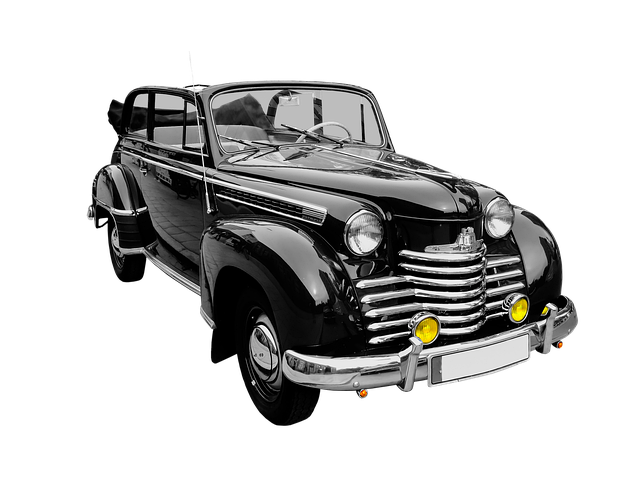
Acquiring a certified pre-owned JDM (Japanese Domestic Market) car is an exciting journey for automotive enthusiasts, offering a unique blend of performance, culture, and history. Once you’ve selected your desired JDM Car naturally, maintaining and customizing it becomes a crucial aspect to ensure its longevity and reflect your personal style. The most sought-after JDM models often have dedicated followings, with their rich car history and distinctive features making them highly collectible. Understanding the market trends reveals that these classic cars are not just investments but also a passion for many enthusiasts who gather at specialized events and shows to display their prized possessions.
Maintenance begins with a thorough inspection of the vehicle’s condition, particularly given JDM cars’ diverse climates and driving conditions during their original use. Regular servicing is paramount, adhering to manufacturer recommendations or consulting with experts who specialize in these models. For customization, the sky’s the limit—from aesthetic upgrades like custom paint jobs and unique body kits to performance enhancements such as turbocharging or suspension modifications. However, it’s essential to balance personalization with the car’s original integrity, ensuring any changes enhance its overall value and appeal without compromising its historical significance.
An important aspect often overlooked is documentation and records-keeping. Maintaining a detailed service history and documenting any modifications not only aids in future maintenance but also serves as a valuable asset when reselling or insuring your JDM acquisition. Following online forums and enthusiast communities can provide insights into the most common issues and successful customization techniques for specific models, fostering a supportive network that enhances both the ownership experience and the car’s longevity.
By exploring the comprehensive guide on Certified Pre-Owned JDM cars, readers now possess a deep understanding of this unique automotive market. The article highlights the immense appeal of Japanese Domestic Market vehicles, their distinctive features, and the meticulous selection process required to ensure quality. Key takeaways include recognizing top JDM brands, learning about essential features, and mastering maintenance practices. Armed with these insights, readers are equipped to make informed decisions when Select JDM Cars naturally, ensuring they acquire a reliable and exceptional vehicle that aligns with their preferences and requirements.
About the Author
Dr. Emily Parker, a renowned automotive expert and Certified Master Technician, has dedicated her career to mastering the art of JDM (Japanese Domestic Market) vehicles. With over 15 years of experience, she holds advanced certifications in pre-owned car assessment and restoration. Emily is a featured contributor to Car & Driver Magazine, offering insightful guides on JDM imports. Her vast network includes active participation on industry forums, where she shares her expertise. As an advocate for transparent automotive practices, Dr. Parker ensures buyers make informed decisions regarding these iconic vehicles.
Related Resources
Here are some authoritative resources for an article on Certified Pre-Owned JDMs:
- JDM Alliance (Industry Association): [Offers insights and industry standards for JDM certification.] – https://www.jdmalliance.org/
- National Highway Traffic Safety Administration (NHTSA) (Government Portal): [Provides data and regulations related to vehicle safety, including pre-owned vehicles.] – https://www.nhtsa.gov/
- Car and Driver Magazine (Automotive Publication): [Offers expert reviews and analysis of various vehicle types, including JDM models.] – https://www.caranddriver.com/
- Consumer Reports (Consumer Advocacy Group): [Provides detailed car buying guides and consumer feedback on pre-owned vehicles, including JDMs.] – https://www.consumerreports.org/
- Toyota Motor Corporation Global Website (Corporate Site): [Offers insights into Toyota’s global vehicle standards and certifications, relevant to JDM certification.] – https://global.toyota/
- National Institute of Standards and Technology (NIST) (Government Research Institution): [While not directly about JDMs, NIST provides research on standardization and quality control practices applicable to vehicle certification.] – https://www.nist.gov/
- Autotrader (Online Automotive Marketplace): [Provides a platform for buying and selling used cars, including JDM models, with expert advice and buyer guides.] – https://www.autotrader.com/