

JDM (Japanese Domestic Market) cars, renowned for performance, reliability, and customization, have evolved from local favorites to global icons. Powered by turbocharged engines, these vehicles offer exceptional handling and unique styling. Import regulations pose challenges, but enthusiasts value JDM cars for their historical significance and driving pleasure. Selecting genuine models requires meticulous scrutiny of originality, specifications, and documentation. Reputable dealers facilitate legal importation, while understanding local registration and insurance is crucial post-acquisition. Joining car communities and attending exhibitions enhances the experience of owning a piece of Japanese automotive history.
The global automotive market is a dynamic landscape where enthusiasts and collectors alike seek unique and high-performance vehicles. Among these, JDM (Japanese Domestic Market) cars have garnered a dedicated following for their distinctive characteristics and superior engineering. However, acquiring these sought-after models can be challenging due to limited availability and varying regulations. This article provides an authoritative guide to navigating the market for JDM cars, offering practical insights into where to find them, what to consider, and ensuring a rewarding purchase experience for both novice and experienced buyers.
- Understanding JDM Cars: A Global Phenomenon
- History and Appeal: The JDM Legacy
- Identifying Genuine JDM Vehicles for Sale
- Popular JDM Car Brands and Models
- Legalities and Importing: What You Need to Know
- Buying Tips: Locating Reliable JDM Car Dealers
Understanding JDM Cars: A Global Phenomenon
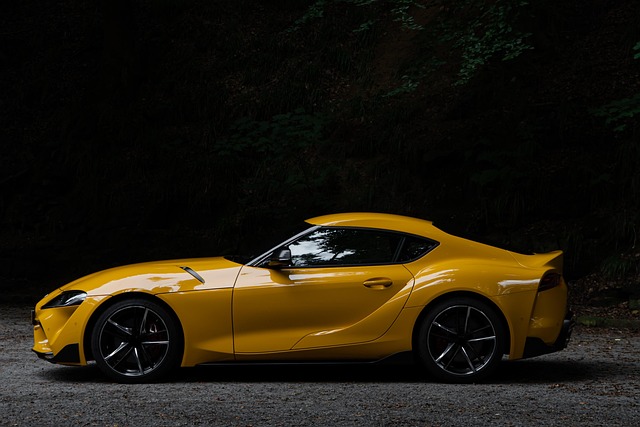
JDM cars, short for Japanese Domestic Market, have transcended geographical boundaries to captivate automotive enthusiasts worldwide. This global phenomenon is driven by the unique blend of performance, reliability, and aesthetics that these vehicles offer. For those in pursuit of a JDM car, understanding the nuances of this market is paramount. The appeal extends beyond the conventional; it’s a fusion of culture, technology, and innovation that has made JDM cars a sought-after treasure for collectors and drivers alike.
The heart of many JDM cars lies in their turbocharged engines, renowned for delivering powerful performances with precision. These vehicles often boast advanced engineering, resulting in impressive horsepower and torque figures. For instance, the iconic Toyota Supra from the 1990s featured a twin-turbocharged inline-six engine, propelling it to extraordinary speeds while maintaining exceptional handling dynamics. Similarly, many Japanese sports cars like the Nissan Skyline GT-R and Mitsubishi Lancer Evolution have established themselves as benchmarks in the performance car segment, thanks to their turbocharged engines and advanced all-wheel-drive systems.
While engine prowess is a significant draw, JDM cars also shine through with their unique interior and exterior mods. The design aesthetics often incorporate sleek lines, bold styling cues, and high-quality materials. Customization opportunities are vast, ranging from simple aesthetic upgrades to extensive modifications that transform the vehicle’s identity. For example, popular choices include aftermarket steering wheels, performance exhaust systems, and custom lighting, all of which contribute to a personalized driving experience. When acquiring a JDM car, considering these modification potentialities can enhance both the car’s appeal and its longevity in a global market where customization is highly valued.
Import regulations play a critical role in the accessibility of JDM cars, especially for vintage models. These rules vary by region, influencing the availability and pricing of such vehicles. For instance, import car regulations in some countries may restrict or tax certain age groups, making it more challenging but not impossible to acquire these classic Japanese machines. Understanding these regulations is essential for prospective buyers to ensure compliance and avoid legal complications. With careful navigation, enthusiasts can secure a vintage JDM motorcycle or car, becoming part of a global community that celebrates the enduring legacy of Japanese automotive craftsmanship.
History and Appeal: The JDM Legacy

The history of JDM (Japanese Domestic Market) cars is a captivating tale that has left an indelible mark on the global automotive landscape. These vehicles, once confined to Japanese roads, have evolved from being niche collectibles to coveted classics sought by enthusiasts worldwide. The appeal of JDM cars transcends borders and generations, drawing buyers who appreciate their unique blend of performance, style, and engineering excellence.
The legacy of JDM cars can be traced back to the 1960s when Japanese automakers started catering specifically to their domestic market, resulting in vehicles tailored for both local roads and driving conditions. This focus on precision engineering and innovative design quickly garnered a loyal following among Japanese drivers. As these cars made their way into international markets through auto importation processes, they began to capture the imagination of foreigners who admired their compact size, agile handling, and robust performance. Iconic models like the Toyota Supra, Mazda RX-7, and Nissan Skyline GT-R became symbols of Japanese automotive prowess, inspiring a dedicated community of collectors and modificers.
The appeal of JDM cars extends beyond their historical significance. Many enthusiasts are drawn to the customizable nature of these vehicles, allowing them to express their individual style through various customization options. From subtle aesthetic modifications to full-on mechanical overhauls, JDM car owners embrace the idea of tailoring their vehicles to their preferences. This trend has led to a thriving market in JDM car customization, with dedicated shops and online communities offering parts and expertise for these unique models. Moreover, vintage car value guides consistently show that well-maintained JDM classics can command premium prices, making them not just desirable but also lucrative investments.
When considering the purchase of a JDM car, whether through classic car imports or direct purchases from Japan, it’s essential to familiarize yourself with the auto importation process and potential challenges. This includes understanding legal requirements, customs duties, and ensuring the vehicle’s condition and documentation are up to standard. However, for those who persevere, the reward is a piece of automotive history that offers both driving pleasure and a glimpse into the future of Japanese car design.
Identifying Genuine JDM Vehicles for Sale

Selecting genuine JDM (Japanese Domestic Market) vehicles for sale requires a keen eye for detail and an understanding of the unique aspects that set these cars apart. With a rich history in automotive innovation, JDM cars are renowned for their performance, style, and advanced features often not found in other regions. However, navigating the market to find authentic examples can be challenging due to counterfeits and gray-market imports masquerading as genuine JDM.
One of the primary indicators of a true JDM car is its originality. These vehicles have never been altered or modified to comply with different regulations, preserving their factory specifications. Look for detailed service records and documentation that accompany the vehicle, such as original owner’s manuals, maintenance receipts, and export paperwork. Professional car importation specialists can verify these documents’ authenticity and ensure they match the vehicle’s unique identification number (VIN), providing vital import vehicle protection.
Additionally, JDM models often feature distinctive styling cues and performance enhancements tailored to Japan’s diverse driving conditions. For instance, consider the iconic Japanese sports cars like the Toyota Supra or Nissan Skyline GT-R. These vehicles typically have advanced suspension systems, high-output engines, and aerodynamic bodies designed for both daily driving and track prowess. When evaluating a potential JDM street legal import, inspect the vehicle thoroughly, checking for these signature features. Reputable dealers specializing in JDM cars can facilitate this process, offering expertise in professional car importation to ensure customers receive genuine, legally imported vehicles without compromise.
Popular JDM Car Brands and Models

When exploring the world of JDM (Japanese Domestic Market) cars for sale, understanding the popular brands and models is essential for any enthusiast or collector. Japan is renowned for its top Japanese automotive manufacturers, each contributing unique designs, engineering prowess, and a rich heritage that has captivated global audiences. Brands like Toyota, Nissan, and Honda have not only dominated the domestic market but also left an indelible mark on the international automotive scene with their reliable, powerful, and often affordable vehicles.
Among the vintage Japanese cars for sale, certain models stand out as timeless classics. For instance, the Toyota Supra, a sports car icon, has been a favorite among enthusiasts for its formidable performance and distinctive styling. Similarly, the Nissan Skyline GT-R is celebrated for its racing heritage and advanced technology, making it a sought-after classic. These vehicles represent the pinnacle of Japanese automotive excellence, offering both driving pleasure and a glimpse into the country’s rich automotive history. Furthermore, affordable JDM cars from these manufacturers are increasingly accessible, allowing buyers to own a piece of this legacy without breaking the bank.
Selecting JDM cars involves careful consideration due to their unique features and often specialized markets. Buyers should focus on brands that align with their interests and budget. Researching specific models, understanding their maintenance requirements, and considering regional availability are crucial steps in making an informed decision. By delving into the diverse offerings of top Japanese automotive manufacturers, one can discover hidden gems that not only enhance their collection but also provide an unparalleled driving experience.
Legalities and Importing: What You Need to Know

Selecting a JDM (Japanese Domestic Market) car for sale involves more than just finding your dream ride; it requires navigating a web of legal requirements and international auto transport procedures, especially when importing a car abroad. This process can be intricate, but with the right knowledge, it’s achievable. One of the primary considerations is understanding the legalities around importing vehicles into your country. Each jurisdiction has its own set of rules and regulations governing the import of foreign-market cars to ensure safety standards and tax compliance.
For instance, many countries demand that imported vehicles meet specific technical and environmental standards, such as emissions controls. Compliance with these standards often involves obtaining certifications from authorized bodies before the car can enter your country. Additionally, duties, taxes, and other fees associated with importing a JDM car must be considered. These costs can vary widely depending on factors like the car’s age, make, model, and value, making it crucial to research and budget accordingly.
International auto transport is another key aspect of the process. Reputable shipping companies specializing in vehicle importation can guide you through this stage, ensuring your JDM car arrives safely and legally. They offer various services, from sea freight to air freight, each with its own advantages based on urgency and budget. After importing your JDM car, it’s essential to familiarize yourself with local registration, insurance, and licensing requirements to ensure your vehicle complies with all regulations and can be legally operated on your roads. This may involve additional costs and paperwork but is necessary for a seamless ownership experience.
Buying Tips: Locating Reliable JDM Car Dealers

When seeking JDM cars for sale, locating a reliable dealer is paramount to ensure you acquire an authentic and high-quality vehicle. Start by researching specialized JDM car importers or dealers who cater to classic car enthusiasts. These experts often have extensive networks and access to rare models, making them ideal sources for unique auto collections. Reputable dealers will provide detailed specifications, photographs, and even historical data on the vehicles they offer, ensuring transparency throughout your purchasing journey.
One effective strategy is to seek recommendations from fellow JDM enthusiasts or online forums dedicated to classic car imports. Personal referrals can offer valuable insights into dealer reliability and the quality of their stock. Additionally, review specialist car coverage provided by these dealers—comprehensive insurance options tailored for vintage vehicles—which demonstrates their commitment to protecting your investment.
Consider visiting international JDM car exhibitions or shows where you can interact with multiple dealers under one roof. These events offer a unique opportunity to inspect various models, compare prices, and engage with experts who can guide your decision-making process. Remember, acquiring a JDM car is not merely about purchasing a vehicle; it’s about becoming part of a community that appreciates the craftsmanship, history, and cultural significance behind these iconic machines.
In exploring JDM cars for sale, this comprehensive guide has unveiled a world of unique automotive heritage and global appeal. From understanding the phenomenon’s cultural roots to navigating legalities and buying tips, readers now possess invaluable knowledge. Key takeaways include recognizing genuine JDM vehicles through historical context and brand identification, while also being aware of legal considerations when importing. Moving forward, those interested in Select JDM Cars can confidently delve into the market, keeping these insights in mind. This article has empowered buyers to make informed decisions, ensuring they embrace the joy of owning a piece of automotive history with every purchase.