

Japanese Domestic Market (Select JDM Cars) cars have revolutionized global automotive design with their blend of traditional craftsmanship and modern innovation. Models like Toyota Supra, Mazda RX-7, and Nissan Skyline GT-R are cult classics known for precision engineering, sleek aesthetics, and advanced technology. Restoring and accessorizing these vehicles is a dedicated art form, driven by enthusiast gatherings in Japan. International auto transport has made them globally accessible, fueling a culture of customization. Dedicated workshops use authentic parts to enhance performance and aesthetics, preserving Japanese design heritage.
Japanese design, particularly evident in JDM Cars (Japanese Domestic Market vehicles), has left an indelible mark on the global automotive landscape. Its unique blend of aesthetics, innovation, and performance has captivated enthusiasts worldwide. However, navigating this complex realm can be challenging, with a vast array of models and brands offering distinctive styles and features. This article aims to provide an authoritative guide, delving into the iconic design elements that define JDM Cars, unraveling their allure and fostering a deeper appreciation for this remarkable automotive tapestry.
- Exploring Japan's Design Estetique: A Cultural Journey
- Iconic Japanese Cars: JDM Models & Their Impact
- Timeless Craftsmanship: The Legacy of Japanese Designers
Exploring Japan's Design Estetique: A Cultural Journey
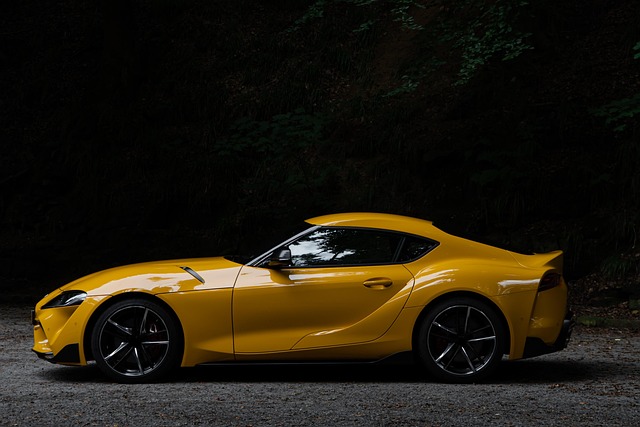
Japan’s design aesthetic is a captivating journey through centuries of rich cultural heritage, blending tradition with innovation in unique ways. Exploring Japanese design means delving into a world where minimalism meets meticulous craftsmanship, creating an iconic style that extends far beyond its borders. This influence is particularly evident in the realm of automotive design, with JDM (Japanese Domestic Market) cars becoming cult classics among enthusiasts worldwide.
One cannot discuss Japan’s design without acknowledging the profound impact it has had on the global car industry. Japanese manufacturers have consistently pushed boundaries, offering vehicles that marry sleek aesthetics with advanced technology. For instance, comparing a classic 1980s Toyota Supra to its modern counterpart reveals a consistent theme of refined power and elegant styling. This blend of heritage and innovation is a hallmark of JDM cars, attracting collectors and enthusiasts who appreciate both their historical significance and cutting-edge features. Restoring these classics has become an art form, with dedicated professionals and passionate hobbyists investing time and resources into bringing them back to their former glory.
Enthusiast gatherings in Japan often showcase the finest examples of JDM cars, highlighting the country’s dedication to automotive excellence. These events not only provide a platform for owners to display their carefully restored classics but also serve as a hub for knowledge exchange and networking among enthusiasts. Accessorizing these vehicles is a significant aspect of ownership, with JDM car accessories catering to every taste and need. From bespoke interior upgrades to high-performance exhaust systems, the market offers extensive choices for those seeking to personalize their Japanese rides. Pricing guides for JDM cars can be found in various resources, offering insights into the current market values, which often reflect their desirability and scarcity. Whether one is comparing vintage models or modern editions, Japan’s design aesthetic remains a constant, leaving an indelible mark on the automotive world.
Iconic Japanese Cars: JDM Models & Their Impact

Japanese automotive design has long captivated enthusiasts worldwide, leaving an indelible mark on the global car landscape. Among its many contributions, Iconic Japanese Cars, particularly JDM (Japan Domestic Market) models, have become cult classics, driving international auto transport and inspiring vintage car preservation efforts. These vehicles embody the unique blend of style, performance, and innovation that has made Japan a leading automotive power.
The JDM phenomenon is a testament to Japan’s commitment to crafting cars tailored to its diverse driving needs and preferences. Models like the Toyota Supra MK4, with its iconic design and robust engine, have transcended borders, becoming symbols of Japanese automotive excellence. These select JDM cars are not just vehicles; they represent a culture that prioritizes precision engineering, sleek aesthetics, and cutting-edge technology. Their popularity has spurred global auto trends towards more versatile, high-performance models, pushing manufacturers worldwide to elevate their game.
Vintage car enthusiasts and collectors alike have embraced the allure of JDM models, driving up demand for these iconic Japanese cars on the international market. Proper preservation is key to maintaining their legacy; detailed maintenance records, original parts, and authentic documentation are essential. As the appetite for these classics grows, so does the need for ethical and legal international auto transport methods that ensure their safe arrival at their new homes. By embracing responsible ownership and responsible sourcing, fans can help preserve the rich heritage of Iconic Japanese Cars for future generations.
Timeless Craftsmanship: The Legacy of Japanese Designers

Japanese design has long captivated the world with its timeless elegance and precision craftsmanship. The legacy of Japanese designers is evident in various sectors, particularly within the automotive industry, where their focus on meticulous detail, innovative technology, and functional aesthetics has created iconic vehicles renowned globally. This enduring influence extends far beyond borders, inspiring enthusiasts worldwide to embrace the art of JDM (Japanese Domestic Market) cars through modification and customization.
The skill and dedication of Japanese artisans are showcased in every aspect of car design, from sleek body lines to intricate mechanical systems. Iconic JDM models like the Toyota Supra, Mazda RX-7, and Nissan Skyline GT-R have become symbols of performance and style, inspiring a culture of modification and tuning worldwide. The popularity of these cars has led to a thriving market for JDM car parts and accessories, with dedicated workshops offering customization services using authentic car modification supplies. These custom auto workshops cater to the demands of enthusiasts seeking to enhance their vehicles’ performance and aesthetics, reflecting the global appeal of Japanese automotive engineering.
A key factor in the success of JDM cars is the availability of advanced tuning guides and an extensive aftermarket network. JDM tuning guides provide invaluable insights into optimizing engine performance, suspension setups, and aesthetic modifications, ensuring that owners can enhance their vehicles with precision and confidence. International auto transport has also played a pivotal role in making these cars accessible globally, enabling enthusiasts to acquire rare models and parts from Japan for customization projects. By combining the expertise of JDM tuning guides and custom workshops, car enthusiasts can create one-of-a-kind machines that pay homage to Japanese design heritage while pushing the boundaries of performance and style.
Japanese design, characterized by its blend of tradition and innovation, has left an indelible mark on global aesthetics. From the cultural journey of Japan’s design philosophy to the iconic cars that have captivated enthusiasts worldwide – including the revered JDM (Japanese Domestic Market) models – and the timeless craftsmanship of its designers, this article has illuminated a rich heritage. Key insights include understanding the deep cultural roots behind Japanese design principles, appreciating the unique impact of JDM cars on automotive culture, and recognizing the enduring legacy of Japanese designers who have redefined industries globally. Practical next steps for readers could include exploring authentic Select JDM Cars, delving into the works of influential Japanese designers, or integrating key design philosophies into their own creative processes to foster innovation rooted in tradition.