

Japanese Domestic Market (JDM) cars, renowned for their blend of performance, aesthetics, and innovation, have significantly impacted global automotive trends. Iconic models like the Toyota Supra and Nissan GT-R showcase distinct styling rooted in Japanese cultural history and craftsmanship. Selecting JDM cars requires careful consideration, focusing on personal preference, rarity, and vehicle condition. Restoring these vehicles presents specialized challenges but offers enthusiasts a piece of automotive history. Global transport services and dedicated communities facilitate acquiring rare JDM models. Participate in JDM car events to celebrate this heritage and access unique finds. Specialized insurance protects these iconic vehicles. Future Japanese automotive trends hint at further innovation, presenting opportunities for businesses specializing in JDM restoration and customization.
Japanese design, particularly within the realm of JDM Cars, has captivated enthusiasts worldwide with its unique blend of aesthetics and performance. This iconic style is renowned for its precision engineering, innovative features, and striking visual appeal. However, navigating the complex landscape of Japanese automotive heritage can be daunting. Our authoritative article aims to provide a comprehensive guide, delving into the rich history, defining characteristics, and ongoing influence that make JDM Cars stand out as a true testament to Japanese design excellence. Prepare to embark on a journey through this captivating automotive tapestry.
- Unveiling Japanese Design Esthetics
- Historical Roots: A Cultural Journey
- Iconic JDM Cars: Driving Innovation
- Minimalism and Functionality: Key Principles
- Global Impact and Future Trends
Unveiling Japanese Design Esthetics

Japanese design aesthetics have captivated the global stage for decades, leaving an indelible mark on various industries, notably automotive. The allure of Japanese design lies in its unique blend of simplicity, functionality, and innovation, often characterized by sleek lines, meticulous craftsmanship, and a focus on achieving harmony between form and purpose. When we talk about iconic Japanese design, the conversation inevitably veers towards JDM cars—Japanese Domestic Market models that have taken the world by storm, thanks to their exceptional performance, cutting-edge technology, and distinctive styling.
The best JDM car brands are renowned for pushing boundaries in vehicle dynamics and engineering. Car performance upgrades are a significant aspect of JDM culture, with manufacturers like Toyota, Nissan, and Mazda leading the way in developing high-performance models that seamlessly blend power and handling. For instance, the Toyota Supra MK4, often considered one of the greatest sports cars of all time, has been meticulously restored and upgraded by enthusiasts worldwide, showcasing the dedication to both stock JDM car restoration and performance enhancement. Similarly, the Nissan Skyline GT-R is a legendary machine, known for its unparalleled drivability and advanced technology, which has made it a favorite among JDM enthusiasts seeking both daily driving comfort and track-ready capabilities.
However, navigating the world of JDM cars involves understanding legal requirements, especially when importing these iconic vehicles into different markets. Each country has its own set of regulations regarding vehicle registration, emissions standards, and safety features. Ensuring compliance is crucial to avoid legal hurdles and ensure a smooth ownership experience. Restoration projects, whether for classic or modern JDM cars, require meticulous attention to detail, original parts sourcing, and a deep understanding of Japanese automotive engineering principles. This may involve seeking expert advice from restorers who specialize in JDM car restoration, ensuring that the vehicle’s originality and historical authenticity are preserved while enhancing its performance capabilities where legally permitted.
Historical Roots: A Cultural Journey
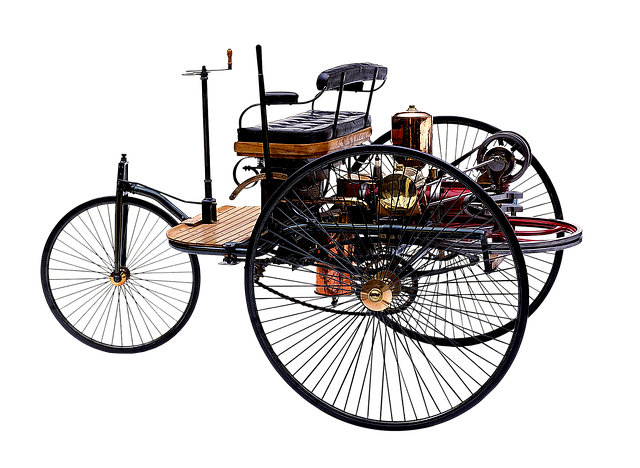
Iconic Japanese design has deeply rooted cultural origins that have significantly influenced the global automotive landscape. Japan’s unique aesthetic, born from a blend of traditional craftsmanship and modern innovation, is particularly evident in its automobile industry. This cultural journey encompasses centuries of history, where each era has left its mark on the design language of JDM (Japanese Domestic Market) cars. From the minimalistic lines of traditional Japanese architecture to the intricate details of samurai armor, these influences are woven into the fabric of modern car design.
The historical roots of iconic Japanese design can be traced back to ancient times when zen aesthetics and nature-inspired motifs began shaping the country’s artistic identity. This philosophical foundation is mirrored in the elegant curves and clean lines often found on JDM vehicles. For instance, the Toyota Supra, a revered sports car, embodies these principles with its sleek profile and aerodynamic features, paying homage to Japan’s rich racing heritage. As the automotive industry evolved, Japanese designers continued to blend traditional elements with cutting-edge technology, creating cars that are both visually striking and technically advanced.
In recent years, there has been a resurgence of interest in JDM cars worldwide, driven by market trends that favor unique, culturally significant vehicles. Professional car importation services have become indispensable for enthusiasts seeking authentic Japanese designs. Secure car importation processes ensure the integrity and legality of these sought-after automobiles, allowing collectors and aficionados to own pieces of Japan’s cultural heritage. Whether it’s the timeless appeal of a classic Honda Civic or the futuristic aesthetics of a Nissan GT-R, JDM cars continue to captivate audiences globally, solidifying their place in automotive history.
Iconic JDM Cars: Driving Innovation
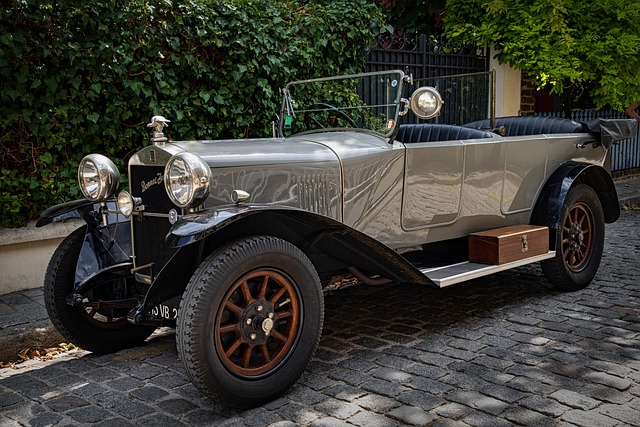
Japanese design has long captivated the global automotive landscape with its unique blend of aesthetics, performance, and innovation. Among its many iconic contributions, Japanese Domestic Market (JDM) cars stand out as a testament to the nation’s engineering prowess and artistic flair. These one-of-a-kind vehicles, often sought after by enthusiasts worldwide, have left an indelible mark on the automotive world through their groundbreaking features and distinctive styles. The JDM car culture fosters a deep appreciation for restorable classics, with dedicated communities facilitating international auto transport to preserve and celebrate these iconic models.
The evolution of JDM cars is a fascinating journey that reflects Japan’s technological advancements and design sensibilities. From the late 20th century onwards, Japanese automakers started pushing boundaries, creating high-performance vehicles tailored to domestic preferences while also appealing to an export market eager for unique offerings. This period saw the birth of iconic models like the Toyota Supra MK IV, a masterpiece renowned for its balanced performance and cult status among car enthusiasts. The Nissan Skyline GT-R, another legendary JDM car, revolutionized sports car dynamics with its advanced all-wheel-drive system and formidable power output. These vehicles became symbols of Japanese automotive excellence, inspiring a global following and influencing future generations of designers and engineers.
Selecting a JDM car for one’s collection involves a meticulous process that considers not only personal preference but also the vehicle’s condition and rarity. Restorable JDM cars often present an intriguing challenge due to their unique components and specialized mechanics. However, this niche market offers enthusiasts the opportunity to own a piece of automotive history. Japanese car communities play a vital role in facilitating these transactions by providing platforms for buyers and sellers to connect, sharing knowledge, and ensuring the preservation of these iconic vehicles. As the global appetite for JDM cars continues to grow, international auto transport services have become more accessible, enabling collectors to acquire these rare finds from various corners of the world.
Minimalism and Functionality: Key Principles

Japanese design has long been celebrated for its striking blend of minimalism and functionality, principles evident in the iconic JDM (Japanese Domestic Market) cars that have captivated enthusiasts worldwide. This distinctive aesthetic isn’t merely skin deep; it reflects a cultural emphasis on simplicity, efficiency, and elegance. Consider the timeless lines of the Toyota 2000GT, a classic example of Japanese engineering’s ability to marry sleek design with robust performance.
These core values extend beyond individual vehicles, permeating the entire Japanese car culture. JDM cars are renowned for their precision craftsmanship, advanced technology, and focus on driver engagement. This is particularly apparent in modern offerings like the Nissan GT-R, which boasts a sophisticated all-wheel-drive system and an engine that delivers breathtaking power while maintaining remarkable control. The emphasis on minimalism and functionality isn’t just about aesthetics; it translates into improved fuel efficiency, lighter weights, and reduced manufacturing costs, making Japanese vehicles globally competitive.
For car enthusiasts, participating in JDM car events offers a unique opportunity to celebrate this rich heritage. From local meets to international shows, these gatherings bring together owners and aficionados to admire the iconic JDM vehicles and share their passion. It’s here that you might catch a glimpse of rare finds like the first-generation Mitsubishi 3000GT, a true masterpiece of Japanese automotive design from the ’90s. While insuring these valuable classics can seem daunting, specialized auto insurance solutions tailored for JDM cars offer peace of mind, ensuring these iconic vehicles are protected both on and off the road. Ultimately, understanding the foundational principles of minimalism and functionality that underpin Japanese car design allows us to truly appreciate the enduring allure of these remarkable machines.
Global Impact and Future Trends

Japanese design has left an indelible mark on the global automotive landscape, with its iconic cars transcending borders and captivating enthusiasts worldwide. The influence of Japanese sports cars, particularly those from the JDM (Japanese Domestic Market) segment, is a testament to their unique aesthetic and performance. These one-of-a-kind vehicles, often characterized by bold styling and cutting-edge technology, have not only shaped the present but also hold the key to future trends in the automotive industry.
The global impact of JDM cars is evident in their widespread appreciation and demand. Classic Japanese sports cars from the 1980s and 1990s, such as the Toyota Supra and Nissan Skyline GT-R, have become legendary among car collectors and enthusiasts, with their restomled versions commanding premium prices at auctions worldwide. This trend highlights the enduring appeal of JDM design and engineering, leading many restoration specialists to focus on bringing these classics back to their former glory. The process of JDM car restoration involves meticulous attention to detail, from sourcing authentic parts to recreating original specifications, ensuring that these iconic vehicles remain a vital part of automotive history.
Looking ahead, the future of Japanese design in automobiles appears poised for further innovation and individuality. Car manufacturers are increasingly exploring unique styling cues and advanced technologies, blending traditional aesthetics with modern sensibilities. The market for JDM car accessories is thriving, indicating a growing desire among owners to personalize their vehicles while preserving their heritage. This trend presents an opportunity for businesses specializing in restoration and customization to cater to the specific needs of JDM enthusiasts, offering one-of-a-kind modifications that pay homage to the past while looking towards the future. By embracing these trends, the global automotive community can ensure that iconic Japanese designs continue to inspire and evolve.
Japanese design has left an indelible mark on global aesthetics and functionality, as evidenced by its historical roots, iconic JDM cars, and ongoing influence. By embracing minimalism and practicality, Japanese designers have created a unique and sought-after style that seamlessly blends form and function. The exploration of these key principles offers valuable insights into the design process and its evolution over time. For those inspired by Japanese aesthetics, selecting JDM cars as a natural extension provides an opportunity to embody these principles in daily life, fostering a deeper appreciation for both design and automotive innovation. This article has provided a comprehensive overview, allowing readers to navigate and understand the rich landscape of Japanese design, and encouraging them to explore future trends that may emerge from this dynamic culture.