
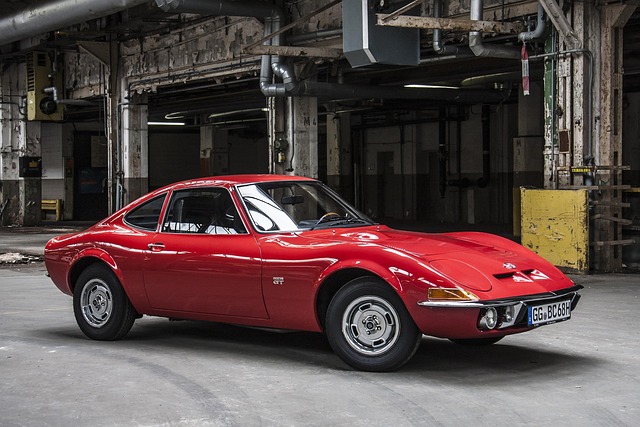
Handpicked inventory specializing in Select JDM Cars offers authentic, high-performance Japanese vehicles with original specifications. The meticulous process involves extensive research, navigating logistics, and ensuring compliance. These cars, like the classic Toyota Supra, command premium prices due to their historical significance and rarity. Restoring them requires skilled techniques while preserving their unique charm. Collectors prioritize natural beauty, original condition, and rare features, fostering deeper connections with their Select JDM Cars. Logistics planning, including safe shipping, is crucial for enthusiasts to enjoy their handpicked automotive treasures on the open road. This strategy attracts enthusiasts and ensures business success within the automotive community.
In the world of automotive enthusiasts, the concept of handpicked inventory holds a special place. It’s not just about any collection; it involves curating a selection of vehicles that are meticulously chosen for their unique characteristics, performance, and cultural significance. Among these, Select JDM Cars naturally stand out for their unparalleled quality and rarity. However, navigating this process can be challenging. Many collectors face the dilemma of finding genuine, well-maintained specimens without compromising on authenticity. This article provides a comprehensive guide to help you navigate this intricate landscape, ensuring you select the perfect handpicked JDM Car that not only meets but exceeds your expectations.
- Understanding Handpicked Inventory: The Concept Unveiled
- Sourcing JDM Cars: Global Market Overview
- Quality Assessment: Picking the Finest Vehicles
- Logistics and Shipping: Bringing Select Autos Home
- Customer Satisfaction: Success Stories of Handpicked Inventory
Understanding Handpicked Inventory: The Concept Unveiled
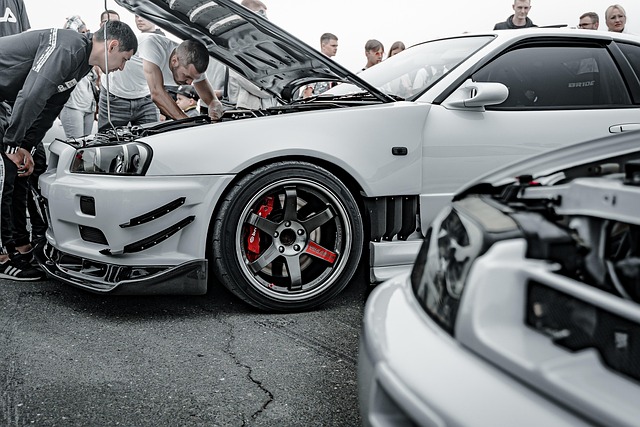
Handpicked inventory, particularly the selection of JDM (Japanese Domestic Market) cars, involves a meticulous process that caters to enthusiasts worldwide. This niche market revolves around acquiring vehicles known for their unique features, performance, and cultural significance directly from Japan. Unlike conventional car imports, handpicked inventory emphasizes authenticity and the original specifications that often set these cars apart in global markets.
The concept centers on curating a collection of Select JDM Cars, each with its own story and allure. These vehicles are not merely machines but cultural artifacts sought after by enthusiasts at international gatherings. The process begins with thorough research and understanding of Japanese car comparisons, their pricing guides (ranging from 1-3 times higher than comparable models), and the evolving trends in the JDM community. For instance, a classic 1994 Toyota Supra, renowned for its formidable performance, might fetch significantly more due to its legacy status among enthusiasts.
Securing these cars involves navigating complex logistics, including secure car importation procedures, ensuring compliance with local regulations, and maintaining the vehicle’s integrity during transit. This meticulous approach is what sets handpicked inventory apart, catering to discerning collectors who appreciate not just a car but a piece of automotive history and culture. By prioritizing natural beauty, original condition, and rare features, these specialists offer a unique alternative to mass-market cars, fostering a deeper connection between owners and their vehicles.
Sourcing JDM Cars: Global Market Overview

The global market for JDM (Japanese Domestic Market) cars is a captivating realm where automotive enthusiasts and collectors alike discover one-of-a-kind vehicles. These cars, often celebrated for their unique styling, advanced technology, and exceptional performance, have garnered a dedicated following worldwide. The process of sourcing JDM cars involves a meticulous journey, requiring expertise in international auto markets and an understanding of import vehicle protection regulations. This is where the true art of handpicked inventory shines—selecting Japanese sports cars that not only meet but exceed expectations.
Japan’s automotive industry has long been renowned for its innovation and craftsmanship, particularly in high-performance models. The legacy of JDM cars extends beyond their aesthetic appeal; they represent a culture that values precision engineering and driving dynamics. Restoring these classic JDM vehicles is an intricate process, one that demands skill and dedication. From the sleek and powerful Japanese supercars to the iconic compact sports sedans, each car tells a story of its own. For instance, the iconic Nissan Skyline GT-R has garnered a legendary status among JDM enthusiasts, with its turbo V6 engine and precision handling making it a favorite for restoration projects.
When navigating the global market, buyers must consider import vehicle protection and legal requirements to ensure a smooth purchasing experience. This includes understanding customs duties, documentation, and compliance standards. Experts recommend partnering with reputable dealers or specialists who can guide through these complexities. By leveraging their knowledge of JDM car restoration techniques and the global auto landscape, these professionals can secure vehicles in pristine condition, ensuring they meet modern safety and performance standards while preserving their original charm. This careful selection process allows collectors to acquire authentic JDM cars that not only complement their collections but also offer a unique driving experience.
Quality Assessment: Picking the Finest Vehicles

When building a handpicked inventory of vehicles, particularly within the niche market of JDM (Japanese Domestic Market) cars, quality assessment is paramount. The process involves an intricate blend of scrutinizing technical specifications, understanding vehicle history, and appreciating the art of modification. To select the finest JDM cars naturally, experts delve into several key areas.
Firstly, evaluating the most sought-after JDM models is essential. Models like the 1994-1998 Toyota Supra MK IV, known for its legendary performance and cult following, or the 1993-2002 Nissan Skyline GT-R, renowned for its track-ready capabilities, command premium prices due to their desirability. Historic significance plays a significant role; a vehicle with a well-documented and clean JDM car history commands higher value and collector interest. This history includes provenance, accident records, and maintenance logs, which can be verified through specialized platforms and Japanese car databases.
Interior and exterior modifications are also integral to the assessment process. Many enthusiasts prefer the factory stock look, while others embrace tailored enhancements. For instance, a meticulously restored interior with premium materials and correct factory-spec finishes can set a JDM vehicle apart. Similarly, exterior mods should complement the car’s design, enhancing its aesthetic appeal without compromising structural integrity. Auto detailing services, offered by specialized workshops, can transform a modest JDM car into a showpiece, highlighting its unique characteristics.
Finally, selecting JDM cars naturally requires an understanding of their potential and versatility for customization. These vehicles often come with modular engines and drivetrains, allowing enthusiasts to enhance performance or create one-of-a-kind builds. For example, the 1997-2002 Mitsubishi 3000GT offers a powerful V6 engine that has been modified to accommodate supercharging or turbocharging, making it a popular choice for track days and drift events. By balancing historical integrity, aesthetic appeal, and customization potential, collectors can ensure their handpicked JDM inventory stands out not just in terms of quality but also in capturing the essence of these sought-after vehicles.
Logistics and Shipping: Bringing Select Autos Home

Handpicked inventory, especially when it comes to Select JDM Cars, involves a meticulous process that extends beyond mere acquisition. Logistics and shipping play a crucial role in ensuring these unique vehicles arrive safely at their destinations. Whether you’re an enthusiast looking to import a vintage Japanese sports car or seeking customization ideas for JDM car restoration, understanding the logistics is paramount.
For instance, considering the delicate nature of many vintage cars, proper packing and handling are essential. A thorough vintage car value guide can help enthusiasts anticipate potential costs associated with shipping rare pieces. Data suggests that specialized transport companies often charge premium rates for these services, reflecting the care required to protect valuable assets during transit. For example, a 1970s JDM Toyota Celica might fetch $35,000 in the market, making its safe delivery a priority.
As you delve into the world of Select JDM Cars, planning for shipping becomes an integral part of the ownership experience. Customization ideas abound, from mechanical upgrades to aesthetic refinements, but prioritizing logistics ensures these modifications can be made efficiently post-arrival. This approach allows enthusiasts to focus on what truly matters—enjoying their handpicked automotive treasures on the open road.
Customer Satisfaction: Success Stories of Handpicked Inventory
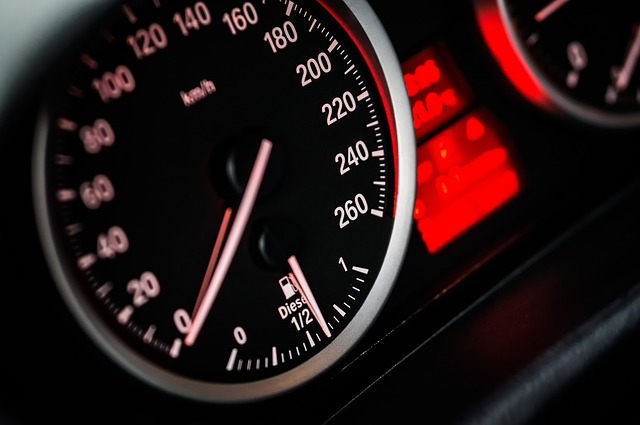
Handpicked inventory, when executed with a keen eye for quality and customer satisfaction, can elevate any automotive business to new heights. One such successful strategy revolves around Select JDM Cars—a curated selection of unique and sought-after Japanese Domestic Market (JDM) vehicles. This approach has garnered significant attention in the automotive community, particularly among car enthusiasts who appreciate the distinct history and culture behind JDM cars.
The success stories of handpicked JDM inventory are numerous and varied. Consider, for instance, the most sought-after JDM models that have captivated both new and seasoned collectors alike. These include iconic models like the 1994 Mazda RX-7, renowned for its lightweight design and powerful rotary engine, and the timeless 1998 Toyota Supra, a symbol of performance and style in the JDM landscape. Car shows and meets, where these meticulously handpicked cars are showcased, have become forums for enthusiasts to gather, share knowledge, and celebrate their shared passion. These gatherings not only foster community but also provide valuable insights into what makes certain JDM models so coveted.
Customer satisfaction is paramount when curating such inventory. This involves understanding the rich car history and unique features that contribute to a JDM model’s allure. For example, many enthusiasts are drawn to the meticulous craftsmanship and attention to detail that defines Japanese automotive engineering. Handpickers must also consider factors like rarity, condition, and market demand to ensure their selections resonate with customers. By focusing on these aspects, businesses can offer cars that not only meet but exceed client expectations, fostering loyalty and word-of-mouth recommendations.
To maximize the impact of handpicked inventory, automotive professionals should leverage customer feedback and market trends. Regularly engaging with enthusiasts at car shows and meets provides direct insights into current demands and desired features. This data-driven approach allows for more informed curating decisions, ensuring that the handpicked selection remains relevant and desirable. Ultimately, by combining expert knowledge with a deep understanding of customer preferences, businesses can build a robust handpicked inventory that drives success and solidifies their position within the vibrant automotive enthusiast community.
Through this comprehensive exploration of handpicked inventory, specifically focusing on sourcing and selecting JDM cars, readers have gained invaluable insights into a specialized market with unique opportunities. Understanding the concept involves recognizing the art and science of curating vehicles known for their quality and performance. The global market overview highlights the vast array of options, emphasizing the importance of thorough quality assessment to ensure only the finest vehicles make the cut. Logistics and shipping considerations are crucial steps in bringing these select cars home safely and efficiently.
Customer satisfaction is a testament to the success of handpicked inventory strategies, as shared success stories illustrate. By delving into these key aspects, readers are now equipped to navigate the process, select exceptional JDM cars, and foster satisfied customers. This authoritative article serves as a comprehensive guide, offering practical next steps for those looking to venture into this exciting realm.