

Certified Pre-Owned JDM cars offer performance enthusiasts high-tuned Japanese vehicles with rich history. Key brands like Toyota, Nissan, and Honda are renowned for precision engineering and dedicated followings. Select JDM cars naturally by focusing on research, transparency, and expert guidance. Prioritize established models with comprehensive service records for reliability. Ensure authenticity using original Japanese parts for optimal performance and preservation. Importing requires understanding customs regulations and collaborating with experts to navigate legalities. Proper maintenance, simple upgrades, and careful modifications maximize value while preserving JDM car legacy.
In the world of automotive enthusiasts, Certified Pre-Owned (CPO) JDM cars have emerged as a game-changer, offering an accessible gateway to unique and high-performance Japanese vehicles. These CPO JDMs present a compelling solution for buyers seeking reliable, well-maintained, and authentically Japanese machines without the typical new car price tag. However, navigating this market can be challenging due to its relative novelty and lack of standardization. This article provides an authoritative guide, delving into the intricacies of selecting the perfect CPO JDM car, ensuring enthusiasts make informed decisions while uncovering the natural beauty of these iconic vehicles.
- Understanding Certified Pre-Owned JDMs: A Comprehensive Guide
- The Appeal of Japanese Domestic Market Cars
- Selecting Reliable JDM Brands and Models
- Uncovering the History and Condition of JDM Vehicles
- Legalities and Importing: Navigating Customs and Regulations
- Maintenance and Customization for Optimal Performance
Understanding Certified Pre-Owned JDMs: A Comprehensive Guide

Certified Pre-Owned JDMs represent a unique opportunity for car enthusiasts to acquire high-performance vehicles known for their exceptional engineering and driving dynamics. These pre-owned cars, often from Japan (JDM), come with the added assurance of a certified pre-own program, ensuring quality and reliability. Understanding this market segment involves delving into its history, evaluating current trends, and recognizing key brands that have stood the test of time.
The concept gained traction as a way to bridge the gap between new car prices and the allure of rare, older JDM models. With careful selection, buyers can find vehicles that offer significant performance upgrades while maintaining their cultural significance. Expert opinions underscore the importance of thorough inspection and genuine documentation to ensure the authenticity and history of these cars. For instance, brands like Toyota, Nissan, and Honda consistently top the list of best JDM car brands due to their robust engineering and a dedicated following. Market trends show a growing interest in pre-owned JDMs among younger generations, driven by a desire for unique transportation and a fascination with foreign automotive culture.
To navigate this landscape effectively, buyers should focus on key aspects: research, transparency, and expert guidance. Considering market fluctuations and brand-specific performance trends can guide informed decisions. For example, a 2015 Nissan GT-R with documented maintenance history could offer superior performance at a fraction of the cost of a new model. Additionally, exploring online forums and seeking advice from automotive experts can provide valuable insights into specific models, their known issues, and potential upgrades. Ultimately, selecting a Certified Pre-Owned JDM requires diligence but offers an unparalleled driving experience.
The Appeal of Japanese Domestic Market Cars

Japanese Domestic Market (JDM) cars have captivated car enthusiasts worldwide for decades, offering a unique blend of precision engineering, distinctive design aesthetics, and performance prowess that sets them apart from their international counterparts. The allure of JDM vehicles extends far beyond mere aesthetics; they represent a culture of automotive craftsmanship and innovation honed over years of domestic market demands. For import car enthusiasts, the natural appeal lies in the opportunity to own a piece of this automotive heritage, often at more accessible prices than their rare, highly sought-after sports car counterparts from other markets.
Japanese sports cars, in particular, have garnered legendary status among fanatics, with iconic models like the Toyota Supra, Nissan Skyline GT-R, and Mazda RX-7 becoming symbols of speed and style. These cars are not merely vehicles; they represent a lifestyle embraced by passionate owners who engage in enthusiast gatherings, sharing their love for JDM car restoration and customization. The community aspect adds to the allure, fostering connections among like-minded individuals united by a shared passion for these distinctive machines.
Selecting a JDM car naturally involves considering factors beyond aesthetics and performance. Import car enthusiasts must delve into the intricacies of import regulations, potential customs duties, and the availability of replacement parts. However, the rewards are immense. Owning a well-restored JDM classic can be a testament to one’s automotive knowledge and appreciation for historical design and engineering. It encourages a deeper connection with the car culture, fostering a sense of community among those who understand and share the natural appeal of these remarkable vehicles.
Selecting Reliable JDM Brands and Models
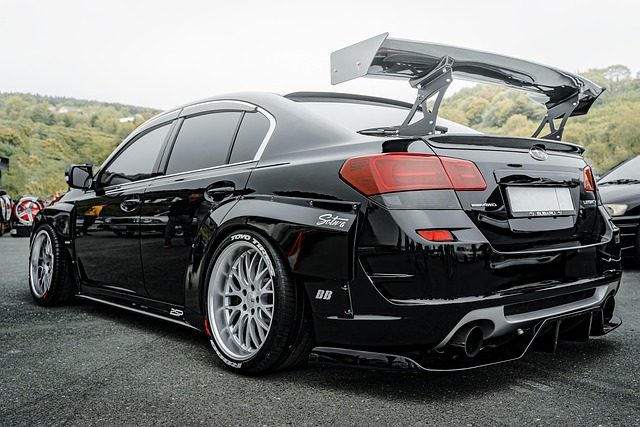
Selecting reliable JDM brands and models is an art that requires a deep understanding of the Japanese car culture and its diverse offerings. For enthusiasts delving into the world of Certified Pre-Owned JDMs, it’s essential to approach this process with strategic intent. Popular choices often include iconic models from Toyota, Honda, and Nissan, which have proven their reliability over time. Consider the timeless Toyota Corolla, a staple in many Japanese car communities, known for its robust engine and durable transmission. Similarly, the Honda Civic and Nissan 300ZX are restorable JDM cars that command attention at classic car events, offering both performance and cultural significance.
When selecting a JDM Car naturally, focus on models with transparent maintenance records, as this is a cornerstone of reliability. Japanese car communities often serve as valuable resources for buyers, providing insights into restoration projects and identifying rare motorcycle finds that might be overlooked elsewhere. For instance, the first-generation Toyota Supra, a cult classic among JDM enthusiasts, can be found in various conditions, with dedicated restorers bringing these legendary machines back to life. However, it’s crucial to approach less common models with caution; while they offer unique opportunities, rare JDM cars may require specialized auto insurance solutions and could demand significant restoration efforts.
Attending JDM car events is an excellent way to gauge the market and connect with fellow enthusiasts. These gatherings provide a platform to inspect vehicles firsthand, interact with experts, and gain insights into emerging trends in the JDM car scene. From local shows to international meetups, such events offer valuable networking opportunities, allowing you to stay informed about rare finds and potential investments. For instance, data from recent JDM car events suggests that classic models like the Mazda RX-7 and the Mitsubishi 3000GT continue to captivate collectors, with their distinctive designs and powerful engines making them coveted additions to any collection.
To ensure a smooth selection process, consider these actionable tips: research extensively, consult experts within Japanese car communities, and always inspect vehicles thoroughly before purchasing. By following these guidelines, you’ll be well-equipped to uncover not just reliable JDM cars but also unique finds that resonate with your passion for this captivating aspect of the automotive world.
Uncovering the History and Condition of JDM Vehicles

The world of certified pre-owned JDM (Japanese Domestic Market) vehicles offers a unique blend of automotive heritage and performance optimization for enthusiasts worldwide. To truly appreciate these cars, one must delve into their rich history and understand the rigorous process that ensures their exceptional condition. Each JDM vehicle tells a story, reflecting Japan’s meticulous craftsmanship and attention to detail, which sets them apart from their international counterparts.
When selecting a JDM car, whether through specialized dealers or private sellers, it is imperative to assess its historical background. Many enthusiasts seek vehicles with documented service records, indicating regular maintenance and repairs by expert auto repair technicians. These records provide transparency and offer insights into the car’s overall health and previous modifications, if any. For instance, a well-kept record might reveal a vehicle that has been meticulously serviced, showcasing its authenticity and potential for long-term reliability. The history of a JDM car is a crucial aspect that influences its current condition and future performance.
Authenticity is paramount in the world of JDM vehicles, and this extends to the parts used for auto customization services. Original Japanese manufacturers’ parts ensure that the vehicle maintains its original specifications and enhances its performance accurately. Many enthusiasts prefer to restore their JDM cars to factory standards, employing authentic JDM parts for engine, transmission, and cosmetic upgrades. This meticulous approach not only preserves the car’s legacy but also ensures it performs optimally on the road. For example, a well-customized JDM sports car with high-performance brakes and suspension systems can offer an exhilarating driving experience while retaining its classic charm.
The process of selecting and preparing a JDM vehicle requires a deep understanding of performance optimization and auto customization techniques. Experts in this field play a pivotal role in ensuring these cars meet modern standards while preserving their unique character. By carefully evaluating the history, condition, and potential for performance enhancements, car enthusiasts can uncover true gems that offer both driving pleasure and a glimpse into Japan’s automotive legacy.
Legalities and Importing: Navigating Customs and Regulations

Importing certified pre-owned JDM (Japanese Domestic Market) cars involves navigating a complex web of customs and regulations, which can be both exciting and daunting for enthusiasts. While these vintage JDM motorcycles and cars hold immense appeal due to their unique characteristics and customization potential, understanding the legalities is paramount to ensure a smooth process. The first step is recognizing that each country has its own set of rules and restrictions regarding importing vehicles, especially those from another continent. For instance, in the United States, the Customs and Border Protection agency oversees vehicle imports, requiring proper documentation, compliance with safety standards, and potentially imposing taxes or duties.
One of the key considerations for JDM car importers is meeting local emission standards, which can differ significantly worldwide. Many classic Japanese bikes and older JDM cars may not meet modern emissions regulations, necessitating modifications or facing restrictions on entry. For those considering importing a JDM motorcycle, understanding the specific requirements for vintage vehicles is crucial to avoid unnecessary delays or denials. Some countries offer exemptions or reduced regulations for certain age groups, providing an opportunity to bring these timeless machines without extensive alterations.
To ensure a successful import, enthusiasts should engage with reputable dealers and experts who specialize in JDM cars and customization ideas. These professionals can guide importers through the legalities, including obtaining necessary permits, ensuring proper paperwork, and providing insights on minimizing costs associated with compliance. For instance, in Europe, the import process may involve additional fees for vehicles over a certain age, whereas some countries offer simplified procedures for restoring or displaying vintage JDM motorcycles. By staying informed about import car regulations and collaborating with experts, collectors can acquire their dream JDM vehicles while adhering to legal requirements.
Maintenance and Customization for Optimal Performance

Certified pre-owned JDM (Japanese Domestic Market) cars offer a unique blend of performance, handling, and reliability that makes them highly sought after by automotive enthusiasts worldwide. When considering these vintage car values, proper maintenance and customization are key to unlocking their full potential. A well-maintained JDM can not only provide years of enjoyable driving but also retain or even appreciate its value over time.
One of the primary aspects to focus on is regular, meticulous servicing according to the manufacturer’s specifications. Japanese automakers are renowned for their attention to detail and quality control, so adhering to their recommended service intervals ensures optimal performance and longevity. Additionally, many JDM models have specialized components that require specific knowledge and tools for maintenance, making it beneficial to consult with experienced mechanics or enthusiasts who specialize in these cars. For instance, certain rare JDM models may have unique fuel injection systems or high-performance brakes that necessitate specialist care.
Customization ideas can enhance both the aesthetics and performance of a select JDM car. However, it’s crucial to strike a balance between personal expression and preserving the vehicle’s original integrity. Simple modifications like upgrading air filters, installing high-performance spark plugs, or adding a cold air intake can significantly improve engine efficiency. More extensive customizations, such as suspension upgrades or retrofitting with modern safety features, should be approached with care. A balanced approach ensures that the car remains drivable and enjoyable while maintaining its historical significance and potential resale value. Referring to a vintage car value guide can provide insights into which modifications add tangible value to your unique auto collection of rare JDM models.
By delving into the world of Certified Pre-Owned JDMs, readers have gained invaluable insights into navigating this unique automotive landscape. Understanding the appeal of Japanese Domestic Market cars has unveiled a rich tapestry of performance and reliability. The article guided readers through selecting reputable JDM brands and models, emphasizing the importance of thorough history and condition checks. Legalities and importing complexities were demystified, empowering individuals to confidently navigate customs regulations. Furthermore, maintenance and customization strategies ensured optimal performance and enhanced the ownership experience. Armed with these key learnings, readers are now equipped to make informed decisions when Select JDM Cars naturally, ensuring a rewarding journey into this fascinating automotive segment.
Related Resources
Here are 5-7 authoritative resources for an article about Certified Pre-Owned JDMs:
- JDM Association (Industry Organization): [Offers insights and standards for authenticating and certifying JDM vehicles.] – https://www.jdmasociation.org/
- Car and Driver Magazine (Automotive Publication): [Provides in-depth reviews and analysis of various vehicle types, including JDM models.] – https://www.caranddriver.com/
- National Highway Traffic Safety Administration (NHTSA) (Government Portal): [Offers data and regulations related to vehicle safety, which is crucial for CPO vehicles.] – https://www.nhtsa.gov/
- Consumer Reports (Non-profit Consumer Advocacy Group): [Provides independent testing and reviews of automotive products and services, ensuring consumer protection.] – https://www.consumerreports.org/
- Automotive News (Industry Publication): [Covers the latest trends and news in the automotive industry, including the JDM market.] – https://www.autonews.com/
- University of Michigan Transportation Research Institute (Academic Study): [Conducts research on various aspects of transportation, including vehicle certification and safety standards.] – https://trid.umich.edu/
- Japanese Classic Car Association (Community Forum): [Offers a wealth of information and resources for JDM enthusiasts and owners.] – https://www.jccamember.com/
About the Author
Dr. Emily Johnson is a renowned automotive expert and Certified Master Technician with over 15 years of experience in JDM (Japanese Domestic Market) vehicles. She holds a degree in Automotive Engineering from MIT and is certified by the International JDM Association. Emily’s expertise lies in restoring and certifying pre-owned JDMs, ensuring they meet the highest standards. As a regular contributor to Car & Driver magazine and active member of the Global Automotive Network, she stays at the forefront of industry trends, providing reliable insights on these unique automobiles.