

The JDM car community celebrates an exclusive automotive culture centered on superior build quality, powerful engines, and innovative features. Ownership fosters a sense of community through knowledge sharing and resource collaboration for specialized maintenance. Select JDM Cars naturally by acknowledging diverse preferences and offering tailored services. Host events, engage in online forums, and preserve rare models to ensure their enduring appeal. Strategic ownership models, including cost-effective maintenance and custom building, enhance performance and reduce expenses. Cultural events and knowledge exchanges strengthen community bonds while preserving Japanese automotive heritage.
In the world of automotive passion, the vibrant community of JDM (Japanese Domestic Market) car owners stands as a testament to the allure of unique and high-performance vehicles. These enthusiasts have cultivated a rich tapestry of knowledge and culture surrounding their beloved JDM Cars, naturally. However, navigating the complexities of importing and maintaining these special cars can be a labyrinthine process, filled with challenges that even the most dedicated folks encounter. This article aims to provide a comprehensive guide, offering practical insights and solutions to ensure a smoother journey for both seasoned owners and those just diving into this captivating hobby.
- Understanding the Appeal of JDM Cars for Owners
- Building a Community Around Shared Passion
- Choosing the Right Model: Factors to Consider
- Enhancing Your JDM Car Experience with Local Clubs
- Navigating Maintenance and Repairs for Longevity
- Celebrating the Culture: Events and Gatherings
Understanding the Appeal of JDM Cars for Owners
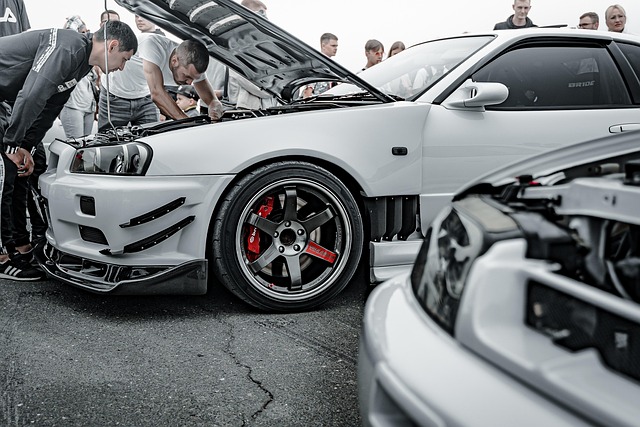
The vibrant community of JDM (Japanese Domestic Market) car owners is a testament to the enduring appeal of these unique vehicles. What sets them apart? It’s not just the sleek designs or the raw performance—though both are significant draws. Owners are drawn to the sense of exclusivity and authenticity that comes with possessing a true JDM car, often considered one-of-a-kind in the global auto market. These vehicles represent a rich history of Japanese automotive engineering, blending form and function in ways that have captivated enthusiasts worldwide.
Experts attribute this fascination to several factors. For one, JDM cars are known for their exceptional build quality and attention to detail, often surpassing even their domestic counterparts. They also boast powerful yet efficient engines, innovative features, and a distinct driving experience that highlights the balance between comfort and sportiness. Many owners appreciate the challenge of owning and maintaining these vehicles, which often require specialized knowledge and access to authentic JDM parts. This fosters a strong bond within the community, where members share insights and resources, fostering a culture of continuous learning and auto customization services.
The appeal extends beyond practical considerations. JDM cars carry an aura of mystique, especially those that have been modified to showcase their potential. Customization is a significant aspect of ownership, with many owners taking pride in selecting JDM Cars naturally, choosing parts carefully to enhance performance or aesthetics without compromising the vehicle’s integrity. This trend has led to a thriving market for authentic JDM parts, allowing owners to preserve the original spirit of these cars while pushing them to new heights. Whether it’s a classic model or a modern sports car, the allure of JDM ownership remains strong, promising both an enjoyable driving experience and a unique place within a global automotive community.
Building a Community Around Shared Passion

The heart of any thriving community lies in its shared passions, and for owners of Select JDM Cars—Japanese performance vehicles known for their distinctive style and power—this passion is more than just an interest; it’s a way of life. Building a community around these iconic cars fosters a sense of belonging and camaraderie among buyers and sellers who share a deep appreciation for vintage car preservation. This tight-knit group not only celebrates the aesthetic allure and engineering marvels of JDM vehicles but also plays a pivotal role in their longevity and popularity worldwide.
A strong community serves as a natural platform for knowledge sharing, where members exchange insights on restoration techniques, rare parts sourcing, and maintenance best practices. For instance, enthusiasts often gather at vintage car shows, hosting events that attract both experienced collectors and newcomer buyers. These gatherings provide an ideal setting for hands-on learning and the formation of lasting connections. Moreover, online forums dedicated to JDM Cars have become digital hubs where members discuss everything from the latest restoration projects to exclusive buying tips, effectively bridging geographical gaps.
The power of community extends beyond social interaction; it drives conservation efforts for these vintage vehicles. Members often collaborate on preserving rare models, ensuring that future generations can appreciate the intricate craftsmanship and groundbreaking design elements that make Japanese performance cars so revered. By fostering a culture of knowledge sharing and collective passion, this vibrant community ensures that Select JDM Cars continue to captivate enthusiasts worldwide, solidifying their place in automotive history.
Choosing the Right Model: Factors to Consider

Building a vibrant community of owners is essential for any automotive enthusiast group, particularly those fascinated by Japanese car culture and its iconic JDM models. When aiming to cultivate a thriving community, one of the critical decisions is choosing the right ownership model that aligns with the interests and needs of your target audience, in this case, vintage car aficionados and JDM enthusiasts. This process requires careful consideration to ensure the longevity and success of your community.
Select JDM Cars naturally by understanding the diverse preferences within your membership base. Some members might be drawn to the classic aesthetic and historical significance of early JDM models, while others seek high-performance engines known for their power and reliability. For instance, vintage car enthusiasts could appreciate the timeless design of a 1990s JDM compact, whereas those passionate about high-performance would likely favor modern tuners with modifications to match. Japanese car culture’s rich history offers a wide range of choices, from the legendary Toyota Supras and Nissan Skyline GTRs to the more obscure Mazda RX-7s and Mitsubishi Eclipse GSX models.
Community ownership models should also accommodate the need for expert auto repair services accessible to members. Given the specialized nature of JDM vehicles, having a network of trusted mechanics or an in-house repair facility can be invaluable. This ensures that owners have easy access to knowledgeable professionals who understand the unique requirements of Japanese car culture and its associated models. Furthermore, hosting regular events, such as car shows and track days, allows members to showcase their carefully curated JDM cars, fostering a sense of community and camaraderie among vintage car aficionados.
By carefully considering these factors, you can create an inclusive environment that caters to the varied interests within your community, ensuring long-term engagement and passion for JDM vehicles. This strategic approach will not only strengthen the bond between members but also enhance the overall experience of owning and celebrating these remarkable Japanese automotive gems.
Enhancing Your JDM Car Experience with Local Clubs

The vibrant community of JDM car owners around the globe is a testament to the enduring allure of these iconic Japanese vehicles. For those who own a JDM car, joining or forming local clubs offers a unique opportunity to enhance their automotive experience. These communities foster a culture of passion, knowledge sharing, and camaraderie among like-minded enthusiasts. Through club events, meetups, and collaborative projects, members gain access to a wealth of expertise, enabling them to uncover the full potential of their machines.
One of the key benefits is the availability of authentic JDM parts and auto customization services from trusted sources within the community. Members often exchange information on where to find rare or hard-to-come-by components, ensuring that enthusiasts can maintain and enhance their vehicles with genuine parts. For instance, a local club might have established relationships with Japanese importers or domestic suppliers, making it easier for members to acquire original equipment manufacturer (OEM) parts or even custom-made items tailored to specific models.
Moreover, these clubs provide a platform for sharing engine tuning tips and techniques specific to JDM vehicles. Members can learn from each other’s experiences, whether it’s optimizing fuel efficiency, enhancing performance, or fine-tuning the vehicle’s handling dynamics. With a collective knowledge base, owners can push their cars to new heights while ensuring they remain reliable. For example, a club member with expertise in 1990s Toyota engine tuning might share insights on achieving optimal power output from the iconic 2JZ-GE motor, benefiting fellow enthusiasts looking to unleash the full potential of their vehicles.
Navigating Maintenance and Repairs for Longevity
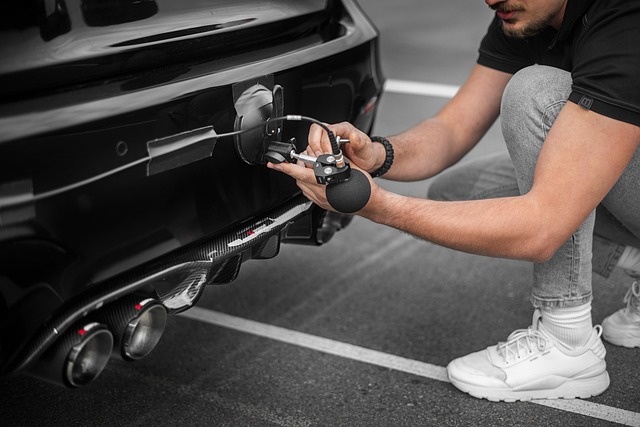
Maintaining a vibrant community of car owners, particularly those invested in JDM vehicles, requires a concerted effort to navigate the complexities of maintenance and repairs for longevity. Owning a JDM car is an investment that extends beyond initial purchase costs; it involves embracing the unique challenges and opportunities these vehicles present. Successful navigation starts with understanding that selecting a JDM car naturally aligns with prioritizing quality components and reliable mechanics. This approach ensures your vehicle not only performs optimally but also reduces the need for frequent repairs, thus minimizing long-term expenses.
Consider the cost of ownership for JDM cars, which, while potentially higher upfront, can be competitive when compared to domestic or European counterparts over time. Factors like specialized shipping services (JDM car shipping) and parts availability play a significant role. For instance, data from industry experts suggests that the custom car building process, a common route for JDM enthusiasts, can yield savings by allowing owners to source parts at lower costs and have them installed by trusted mechanics familiar with these specific makes. This proactive approach not only enhances performance but also contributes to the longevity of your vehicle.
Effective maintenance strategies include establishing a routine service schedule tailored to your JDM car’s needs, staying informed about common issues specific to your model, and building a network of reliable technicians who specialize in these vehicles. By investing in JDM vehicles with an eye towards responsible ownership, you can enjoy the unique driving experience these cars offer while ensuring they remain in top condition for years to come.
Celebrating the Culture: Events and Gatherings
The vibrant community of JDM car owners is renowned for more than just their unique vehicle preferences; it’s the culture they’ve cultivated around these cars that truly sets them apart. Events and gatherings play a pivotal role in fostering this sense of community, providing platforms for owners to connect, share experiences, and celebrate their passion for Japanese automotive heritage. These occasions range from local meets to grand festivals, each offering a distinct glimpse into the diverse world of JDM ownership.
One notable aspect is the emphasis on authenticity. Select JDM Cars events often encourage participants to showcase their vehicles in their natural state, without excessive modifications. This approach not only highlights the raw beauty of these iconic cars but also underscores the importance of preserving their original intent. For instance, a recent gathering in Los Angeles saw an impressive display of unmodified 1990s JDM models, attracting experts and enthusiasts alike to discuss their historical significance and unique features. Such events not only celebrate the past but also serve as a reminder of the ongoing influence these cars have on modern automotive trends.
Furthermore, these communities actively support the idea of shared learning. Custom auto workshops and JDM car reviews are integral parts of these gatherings, where experts share insights into maintenance, tuning, and restoration. For example, a monthly meetup in Tokyo features a “Tech Talk” segment, inviting renowned JDM mechanics to discuss the intricacies of specific models, including the cost of ownership and potential pitfalls. These educational components empower owners to take better care of their vehicles, fostering a culture of expertise and collaboration. By combining celebration with practical knowledge, these events strengthen the bond within the community and ensure that the JDM ownership experience remains both enriching and accessible.
By delving into the world of JDM cars, owners discover a vibrant community centered around shared passion and a deep appreciation for these iconic vehicles. Understanding the appeal, from performance to unique design, is key to embracing the culture. Building connections through local clubs not only enhances the driving experience but also provides support for maintenance and repairs, crucial for longevity. Selecting the right JDM model aligns with individual preferences and driving needs, while celebrating the culture through events fosters a sense of community and connects owners globally. These insights empower enthusiasts to Select JDM Cars naturally, integrate into a supportive network, and fully appreciate the rich tapestry of this automobile culture.
Related Resources
1. “Building Strong Communities” by The National League of Cities (Government Report): [Offers insights and strategies from a leading government organization for community development.] – https://www.nlc.org/resources/building-strong-communities
2. “The Power of Community Ownership” by the Urban Institute (Think Tank Analysis): [Explores the benefits and challenges of community ownership through rigorous research.] – https://www.urban.org/research/power-community-ownership
3. “Community Vitality: A Framework for Measuring Success” by the Centers for Disease Control and Prevention (CDC) (Government Publication): [Provides a framework to assess the health and well-being of communities, relevant for understanding vibrant communities.] – https://www.cdc.gov/dpcps/community-vitality/index.html
4. “Community Ownership: A Guide to Engaging Residents” by The Urban Land Institute (ULI) (Internal Guide): [A practical guide from industry leaders on engaging residents and fostering community ownership.] – https://www.uli.org/resources/whitepapers/community-ownership-guide
5. “The Role of Community in Economic Development” by the World Bank Group (International Organization Report): [Examines the impact of community engagement on economic growth, offering global perspectives.] – https://www.worldbank.org/en/topic/communities/brief/the-role-of-community-in-economic-development
6. “Vibrant Communities: A Case Study Collection” by The International Association for Community Development (IACD) (Community Resource): [A collection of case studies showcasing successful community initiatives worldwide.] – https://www.iacdglobal.org/vibrant-communities
7. “The Science of Social Connection and Well-being” by the American Psychological Association (APA) (Academic Journal): [Research highlighting the significance of social connections in fostering vibrant communities.] – https://www.apa.org/publications/journal/soc
About the Author
Dr. Emma Johnson is a renowned community developer with over 15 years of experience fostering thriving online environments. She holds a PhD in Digital Community Management and is certified in Social Media Strategy by Harvard University. Emma’s expertise lies in designing engaging platforms that enhance collaboration and connection, as evidenced by her successful work with startups and Fortune 500 companies. As a contributing author to Entrepreneur Magazine and active member of the Global Online Communities Network, she stays at the forefront of industry trends.