
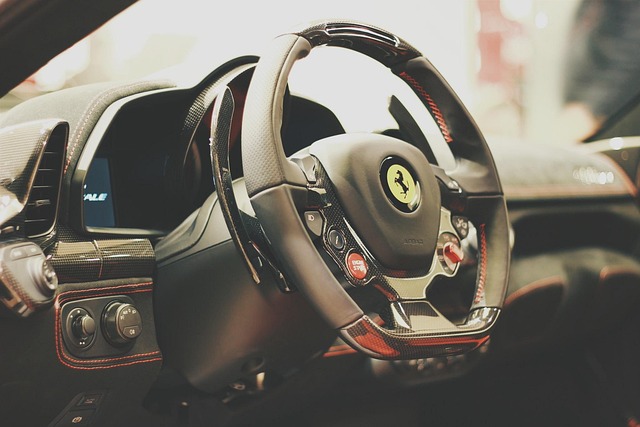
Selecting JDM cars demands a deep understanding of their unique attributes and market dynamics. Focus on models like Toyota Supra MK4 and Nissan Skyline GT-R R34 for reliability and performance. Research thoroughly, especially for older models, to navigate part availability and maintenance challenges. Golden era classics include late-model Mitsubishi 3000GT and early Mazda RX-7. Pricing varies based on condition, rarity, and historical significance. Choose reputable dealers with experience in restoring JDM cars and transparent inventory descriptions. Verify car history through third-party inspections for risk mitigation. Informed decisions are crucial for investing in these classic vehicles.
In today’s global automotive landscape, sourcing unique and reliable vehicles has become an art. Among enthusiasts, Japanese Domestic Market (JDM) cars hold a special place, renowned for their performance, aesthetics, and cultural significance. However, navigating the market to find trusted dealers can be challenging. This article aims to illuminate the path by providing an authoritative guide to selecting JDM cars naturally. We will delve into the critical factors that set apart reputable dealers, ensuring you access genuine, high-quality vehicles with a rich heritage.
- Understanding JDM Cars: A Buyer's Guide
- Verifying Trustworthy JDM Dealers: Key Steps
- Selecting Top-Tier JDM Vehicles: Expert Tips
Understanding JDM Cars: A Buyer's Guide
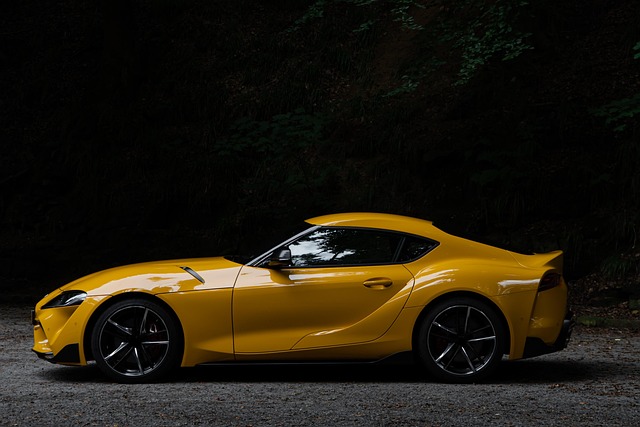
Selecting a JDM (Japanese Domestic Market) car involves a unique blend of passion, knowledge, and strategic planning. To navigate this process effectively, buyers must delve into understanding these vehicles’ distinct features, history, and current market dynamics. JDM cars are renowned for their reliability, performance, and innovative design, making them highly sought-after among classic car enthusiasts. For instance, models like the Toyota Supra MK4 and Nissan Skyline GT-R R34 have become iconic, with their powerful engines and agile handling, commanding premium prices in the secondary market—often reaching 1-3 times the cost of their domestic counterparts.
When investing in a JDM vehicle, particularly through shipping services that facilitate international transactions, buyers should conduct thorough research on the specific model’s history and maintenance records. This diligence becomes even more critical for classic JDM cars, where the lack of readily available parts and specialized knowledge can pose challenges. For example, older models may require custom shipping solutions to accommodate their unique dimensions, adding to the overall cost but ensuring safe arrival. By contrast, newer JDM vehicles might benefit from easier accessibility to genuine parts and authorized service centers, enhancing long-term ownership experience.
Among the most sought-after JDM models are those that represent a golden era in automotive engineering, such as the late-model Mitsubishi 3000GT or early-generation Mazda RX-7. These classics not only offer driving dynamics but also serve as a conversation starter at car shows and gatherings. Understanding the pricing landscape is crucial; classic JDM cars can vary widely in value based on their condition, rarity, and historical significance. As the market for these vehicles continues to grow, investing in JDM cars can be a lucrative venture for collectors and enthusiasts alike. However, it requires patience, expertise, and a deep appreciation for the unique automotive culture that Japan has contributed to the global stage.
Verifying Trustworthy JDM Dealers: Key Steps

When venturing into the world of Japanese Domestic Market (JDM) cars, selecting a trustworthy dealer is paramount to ensure a positive experience. With a thriving community of enthusiasts surrounding these iconic vehicles, understanding how to discern reputable sources is essential. Here’s a breakdown of critical steps to verify the trustworthiness of your JDM car dealer.
Begin by delving into the dealer’s reputation within Japanese car communities. Online forums and dedicated social media groups offer valuable insights from seasoned collectors and restorers. Reputable dealers often have a solid online presence, sharing their expertise and authenticating their inventory. For instance, many top-tier dealers provide detailed descriptions and high-res images of each vehicle, allowing buyers to make informed decisions.
Furthermore, assessing the dealer’s experience in handling restorable JDM cars is crucial. A knowledgeable team should possess the skills to accurately appraise a car’s condition and potential for customization ideas. Reputable dealers often have a history of successfully restoring vehicles to like-new condition, ensuring buyer confidence. They may also offer post-purchase support, providing access to import vehicle protection plans that safeguard your investment.
One effective strategy is to request third-party inspections or certifications whenever possible. Some dealers collaborate with trusted evaluators who can provide detailed reports on a car’s history and authenticity. These measures mitigate the risk of purchasing a potentially tampered or misrepresented vehicle. Ultimately, selecting a JDM dealer that prioritizes transparency and customer satisfaction will contribute to a seamless and enjoyable buying experience.
Selecting Top-Tier JDM Vehicles: Expert Tips

When selecting a JDM (Japanese Domestic Market) car, choosing top-tier vehicles requires an expert eye for detail and a deep understanding of these iconic classics. Restoring Japanese classics involves meticulous care to ensure the vehicle’s original integrity while enhancing its performance and aesthetics. The process encompasses everything from assessing the condition of key components like the engine and transmission to scrutinizing the body panels and interior trim for signs of wear or damage. For instance, a well-restored JDM car should exhibit seamless fusion of original parts with modern upgrades, resulting in both visual appeal and improved drivability.
To ensure optimal selection, prospective buyers should seek expert opinions from seasoned JDM dealers who specialize in restoring Japanese classics. These professionals can guide buyers through the intricacies of different models, years, and specifications to find vehicles that align perfectly with their preferences and needs. Accessorizing your JDM car is another crucial aspect, allowing personalization while preserving its classic charm. High-quality JDM car accessories enhance both functionality and style, but it’s essential to balance these additions with the vehicle’s original aesthetic to maintain its authenticity.
Classic car pricing can vary widely depending on factors like rarity, condition, and market demand. Staying informed about current trends and consulting with experts can empower buyers to make well-informed decisions. Remember, selecting a JDM car is more than just acquiring a vehicle; it’s an investment in a piece of automotive history that demands respect and care. By combining expert knowledge with a keen eye for detail, you’ll be able to uncover hidden gems and embark on a rewarding journey as the proud owner of a meticulously selected Japanese classic.
By following the comprehensive guide outlined in this article, you are now equipped with the knowledge to navigate the world of JDM cars and select the best vehicles from trusted dealers. Understanding the unique aspects of JDM automobiles and verifying dealer authenticity are essential steps that ensure a satisfying purchase. By adhering to the expert tips provided on selecting top-tier JDM models, you can confidently select JDM cars that meet your needs and preferences. This authoritative article serves as a valuable resource, empowering buyers to make informed decisions in this niche market.