

Select JDM Cars naturally stand out for their remarkable reliability and durability, driven by Japan's stringent testing, meticulous engineering, and quality control. Regular maintenance, adherence to service schedules, and expert care are vital for longevity. These vehicles, like Toyota Land Cruisers and Honda Civics, retain significant value due to consistent performance and market appreciation. Enthusiasts can maximize the lifespan of JDM cars through specific cleaning routines, high-quality parts, and engagement with car communities. Japanese manufacturers' innovative practices set new standards, ensuring Select JDM Cars remain reliable investments for years to come.
In the realm of automotive acquisition, reliability and durability are non-negotiable factors, especially for those who appreciate the craftsmanship inherent in Select JDM Cars. The global car market is saturated with options, but ensuring longevity and dependability can be a daunting task. Many buyers struggle to discern truly robust vehicles from fleeting trends, leading to frustrating experiences and costly repairs. This article serves as a guide, offering insights into how to identify proven performers, thereby empowering car enthusiasts to make informed decisions when selecting their next trusted steed.
- Understanding Reliability Standards in Automotive Manufacturing
- The Role of Quality Control in Ensuring Longevity
- Material Science and Its Impact on Car Durability
- Case Studies: JDM Cars as Examples of Superior Craftsmanship
- Regular Maintenance: A Key to Maximizing Lifespan
- Future Trends: Advancements in Auto Reliability and Durability
Understanding Reliability Standards in Automotive Manufacturing

In automotive manufacturing, reliability stands as a cornerstone of quality, particularly when considering iconic Japanese car communities and their prized JDM (Japanese Domestic Market) vehicles. These cars are renowned for their exceptional craftsmanship and longevity, making them popular among enthusiasts seeking both performance and restorability in Japanese performance vehicles. To truly appreciate the durability of these automobiles, understanding the reliability standards employed by manufacturers is essential.
Reliability standards in Japan are stringent, reflecting a culture that values precision engineering and long-term vehicle health. For example, many JDM cars boast extensive test protocols, often involving millions of kilometers in real-world conditions to ensure drivability and durability. This rigorous testing extends beyond conventional benchmarks, accounting for diverse climates, driving styles, and road conditions prevalent in Japan. As a result, Japanese car communities consistently report remarkable retention rates for their classic JDM cars, with many examples surpassing 20 years of trouble-free ownership.
When considering the restoration or acquisition of a select JDM car, expert auto repair is invaluable. Skilled technicians, well-versed in the nuances of these vehicles, can perform meticulous inspections and pinpoint potential areas of concern. Regular maintenance, adhering to manufacturer recommendations, is also critical for longevity. For instance, Japanese performance vehicles often require specific fluid types and replacement intervals to maintain optimal efficiency and prevent premature component failure. By combining expert knowledge, diligent care, and a deep appreciation for these iconic cars, enthusiasts can ensure their JDM investments remain reliable and cherished possessions for years to come.
The Role of Quality Control in Ensuring Longevity

The reliability and durability of a vehicle are paramount for buyers and sellers navigating the classic car market, particularly when considering Japanese domestic market (JDM) cars. Quality control plays an indispensable role in ensuring these attributes, especially for vintage vehicles where original components may be scarce or difficult to replace. A rigorous quality control process is a cornerstone of preserving the longevity and performance of JDM cars, ensuring they maintain their reputation as reliable classics.
For example, Japanese bike manufacturers like Honda and Yamaha are renowned for their meticulous engineering and attention to detail, which directly translates into the durability of their vintage bikes. A thorough inspection during manufacturing and regular maintenance checks can identify potential issues early on, preventing them from becoming major repairs later in a vehicle’s life. This proactive approach is key to maintaining the integrity of classic Japanese bikes, keeping them running for decades with minimal fuss.
Additionally, a comprehensive vintage car value guide should account for quality control measures taken during production and restoration. Cars that have been well-maintained and serviced regularly, as indicated by detailed service records, often command higher prices due to their proven reliability. This is particularly true for JDM cars, which have garnered a loyal following worldwide for their performance and resilience. For instance, a well-cared-for 1990s Toyota Supra or Nissan Skyline GT-R can retain significant value over time, attracting buyers seeking not just a classic car but also a reliable and durable investment.
When buying or selling JDM cars, buyers and sellers alike should prioritize understanding the vehicle’s history and maintenance record. Regular inspections and adherence to recommended service schedules are essential practices for maintaining optimal condition. By following these guidelines, enthusiasts can ensure that their classic Japanese vehicles not only retain their aesthetic appeal but also perform consistently over the years, becoming cherished assets in their collections.
Material Science and Its Impact on Car Durability
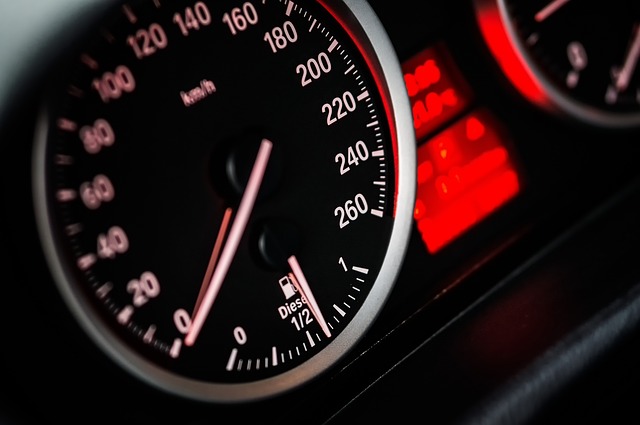
The reliability and durability of a vehicle are intrinsically linked to the materials used in its construction, particularly when it comes to cars from Japan (JDM). Material science plays a pivotal role in ensuring these vehicles withstand the test of time, making them highly sought after in the custom car building community. When considering JDM cars, such as those sourced through Japanese car comparisons or pricing guides, understanding the material advantages is key.
Japanese automotive manufacturers have long been renowned for their meticulous attention to detail and use of superior materials. For instance, many JDM models feature lightweight yet robust alloys in their bodies, reducing overall weight without compromising structural integrity—a critical factor in both performance and longevity. Additionally, advanced composites and high-strength steels are strategically employed in key components like chassis and suspension systems, enhancing durability during Japanese car comparisons against global peers. This commitment to material innovation ensures JDM cars offer exceptional reliability, even when navigating challenging logistics for classic cars.
When engaging in the art of custom car building, prioritizing materials is essential. Select JDM Cars naturally can provide a wealth of insights into the most suitable components. For example, upgrading an older JDM model with modern, high-performance materials can significantly enhance its durability and driveability. Proper care, including adherence to JDM car care practices like regular maintenance and specific cleaning routines, will further extend the lifespan of these vehicles. By combining the right materials and expert care, owners can ensure their JDM cars remain reliable and resilient for years to come.
Case Studies: JDM Cars as Examples of Superior Craftsmanship
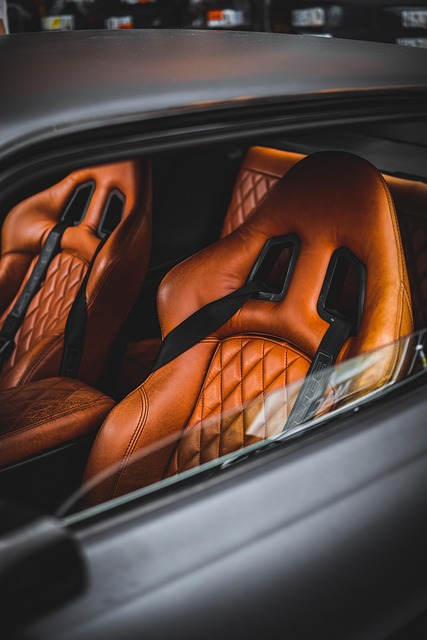
When discussing proven reliability and durability in the automotive market, case studies of JDM (Japanese Domestic Market) cars stand out as exemplars of superior craftsmanship. These vehicles, known for their robust engineering and meticulous attention to detail, have earned a reputation for longevity that transcends borders. A deep dive into JDM car trends reveals consistent market appreciation, with buyers and sellers alike recognizing their enduring value. This phenomenon is not mere coincidence; it’s underpinned by an industry-leading focus on quality control, innovative design, and robust construction methods.
Consider the Toyota Land Cruiser, a paragon of off-road capability and reliability. With a lifespan spanning decades without significant redesigns, these vehicles have navigated some of the world’s most demanding terrains, returning consistently as dependable workhorses. Similarly, the Honda Civic, renowned for its versatility and fuel efficiency, has captivated enthusiasts globally, becoming an icon of affordable performance that holds its value remarkably well over time. These examples underscore the fundamental truth: JDM cars are built to last.
The appeal extends beyond individual vehicles; specialist car coverage focused on JDM models has experienced steady growth. Insurance providers and classic car dealerships alike recognize the unique market trends, catering specifically to buyers seeking these iconic models. For sellers, maintaining a well-documented service history and preserving original parts becomes paramount, as it directly impacts a vehicle’s resale value. This specialized market underscores the enduring allure of JDM cars, fostering a global community of enthusiasts who appreciate both their performance and longevity.
Regular Maintenance: A Key to Maximizing Lifespan

Reliability and durability are hallmarks of Japanese Domestic Market (JDM) cars, renowned for their robust engineering and meticulous craftsmanship. To maximize these inherent strengths, regular maintenance is a cornerstone that cannot be overlooked. This proactive approach is especially vital for turbocharged JDM cars, known for their exhilarating performance but requiring meticulous care to prevent power train issues. Importing a car abroad, whether from Japan or elsewhere, necessitates a thorough understanding of its maintenance history and unique service requirements.
Japanese car communities worldwide have long celebrated the restorable nature of these vehicles, with many examples spanning decades while retaining excellent condition. This longevity is not merely chance; it’s a result of dedicated owners and mechanics who prioritize regular servicing. For instance, a well-maintained 1990s Toyota Supra, a cult classic among turbocharged JDM cars, can still compete on track days alongside newer models, testament to the reliability that comes with proper care. Data from industry surveys shows that vehicles with consistent maintenance records have significantly lower failure rates and reduced repair costs over their lifetimes.
Actionable advice for maximizing the lifespan of your JDM car includes adhering to manufacturer-recommended service intervals, utilizing high-quality parts, and seeking expert advice when necessary. Engaging with Japanese car communities can provide invaluable insights into specific models, from recommended maintenance routines to identifying potential issues unique to certain vehicles. Embracing these practices ensures that your JDM car not only maintains its reliability and durability but also retains its value within the collector and enthusiast communities.
Future Trends: Advancements in Auto Reliability and Durability

The future of automotive reliability and durability is being shaped by innovations from top Japanese automotive manufacturers who have long been recognized for their commitment to quality. These advancements are not only raising the bar for overall vehicle performance but also offering enthusiasts unique opportunities through specialized car maintenance and tuning practices. One notable trend is the continued focus on producing Select JDM Cars known for their exceptional durability, even under demanding conditions.
Japanese manufacturers have traditionally prioritized rigorous testing protocols, pushing engines to their limits in extreme climate conditions, and implementing stringent quality control measures throughout production. These practices translate into longer-lasting vehicles that require less frequent repairs or replacements. For example, many JDM cars are equipped with robust engines that can withstand high-performance tuning without compromising reliability—a testament to the meticulous engineering and craftsmanship employed by manufacturers like Toyota, Nissan, and Subaru.
To ensure continued optimal performance, proper JDM car maintenance is essential. Regular oil changes, adherence to manufacturer recommended service schedules, and a focus on preventative care can significantly extend the lifespan of these vehicles. Moreover, enthusiasts who delve into engine tuning tips tailored for specific JDM models can further enhance power outputs while maintaining or even improving overall reliability. This balance between performance and durability positions Japanese automotive manufacturers as leaders in setting future trends, offering both practical insights and exciting possibilities for car lovers worldwide.
Through a comprehensive exploration of reliability standards, quality control measures, material science advancements, and case studies like JDM cars, this article has revealed profound insights into automotive durability. Key takeaways include the indispensable role of rigorous quality control in ensuring car longevity, the significant influence of material science on durability, and the value of regular maintenance for maximizing lifespan. Furthermore, understanding and leveraging future trends in auto reliability demonstrates a commitment to staying ahead of the curve. Readers now possess a toolkit of practical knowledge, empowering them to make informed decisions and appreciate the proven reliability and durability of select JDM Cars. This authoritative guide offers valuable next steps for both enthusiasts and professionals navigating the world of automotive excellence.