
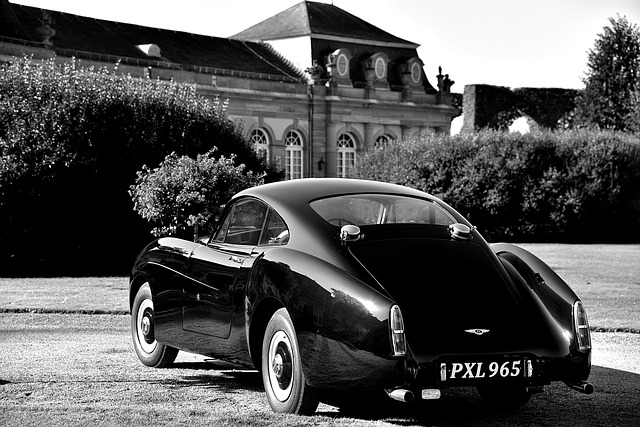
Specialized JDM restoration requires deep knowledge of classic Japanese vehicles, balancing historical authenticity with modern customization. Selecting rare models like Skyline GT-R or Toyota Celica TT involves expert inspection and evaluation. The process includes meticulous part selection, precise modifications, and meticulous refinishing for both interior and exterior. Reputable suppliers offer genuine parts, while online platforms connect enthusiasts. Restoring JDM cars preserves automotive history and caters to modern tastes, fostering a global community of appreciative owners. Focus on authentic restoration for future generations to cherish these iconic vehicles.
Specialized JDM restoration is a niche yet vital field, preserving the unique character of Japanese domestic market (JDM) cars for enthusiasts worldwide. These vehicles, renowned for their performance and innovation, often face challenges when returned to their original state after years of use. The problem lies in the specialized nature of many JDM components, making genuine parts acquisition difficult. This article offers a comprehensive guide to mastering specialized JDM restoration, equipping restorers with the knowledge and tools necessary to ensure authenticity and pride in their craft. By delving into this art, we enable enthusiasts to keep these iconic cars on the road, preserving a select tapestry of automotive history.
- Understanding JDM Restoration: The Essential Basics
- Identifying Genuine Select JDM Cars for Restoration
- Deconstructing the Restoration Process Step-by-Step
- Sourcing Parts: Authenticity and Quality Matter
- Final Touches: Bringing JDM Restorations to Life
Understanding JDM Restoration: The Essential Basics
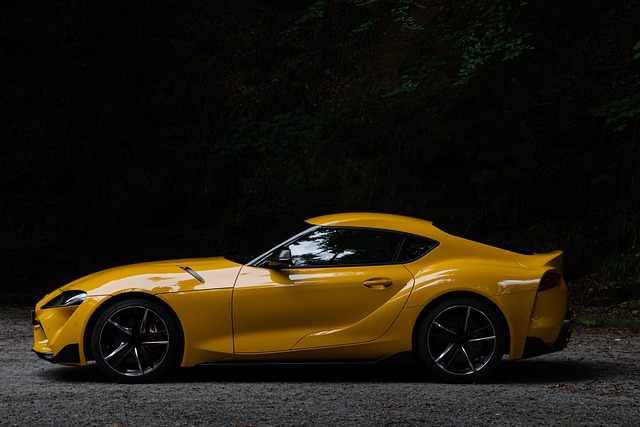
Specialized JDM restoration involves a deep understanding of Japanese Domestic Market (JDM) classics, their unique characteristics, and the art of customization. These vehicles, known for their performance and distinctive styling, require meticulous care during the restoration process. To begin, restorers must carefully assess the car’s condition, identifying original components that need preservation or replacement parts that align with the vehicle’s era and specifications. For instance, a 1990s JDM Toyota Supra might necessitate specific engine tuning adjustments detailed in a JDM tuning guide to achieve its legendary power output.
The customization aspect offers endless possibilities for JDM car enthusiasts. From mechanical enhancements like JDM tuning guides that optimize performance to aesthetic modifications using authentic or replica parts, each element contributes to the overall allure and functionality of the restored vehicle. Customization ideas can range from subtle upgrades like high-performance brake kits to dramatic transformations involving wide body kits and custom paint jobs. The key lies in maintaining balance; a successful restoration harmonizes classic JDM aesthetics with modern performance enhancements.
Selecting the right JDM cars naturally involves considering their historical significance, market availability, and desired level of customization. Classics like the first-generation Nissan Skyline GT-R or the timeless Toyota Celica TT are highly sought after for restoration projects. Restorers can source original car modification supplies from specialized dealers or online platforms dedicated to JDM enthusiasts. These resources provide access to rare parts, ensuring authenticity in the restoration process. Remember, a well-executed JDM restoration is not merely about returning a car to its former glory; it’s about preserving automotive history while enabling these iconic vehicles to thrive in modern times.
Identifying Genuine Select JDM Cars for Restoration

Identifying authentic Select JDM cars for restoration is a meticulous process requiring keen eye and extensive knowledge. Enthusiast gatherings and online forums have become invaluable resources for spotting genuine examples, as word-of-mouth recommendations from fellow aficionados can offer insights into a vehicle’s history and provenance. The motorsport heritage of JDM cars further complicates this task; many enthusiasts value the original race-inspired features that set these vehicles apart, making it crucial to verify their authenticity before restoration.
One key aspect to consider is the cost of ownership, which for Select JDM Cars can be significantly higher than their domestic counterparts due to market demand and limited availability. This factor underscores the importance of thorough inspection to ensure the car’s condition justifies its value. According to industry data, rare JDM models can fetch prices 2-3 times higher than comparable non-JDM vehicles at auction, underscoring the need for careful evaluation. For instance, a well-preserved 1990s Toyota Supra, a beloved icon in the JDM community, might command premium pricing due to its desirability and scarcity, necessitating a thorough understanding of its history and restoration potential.
While insurance coverage for JDM cars can vary, ensuring proper documentation is paramount. Original equipment parts and records from authorized dealers or certified restorers can serve as critical evidence of authenticity during the restoration process. This meticulous approach not only preserves the car’s value but also ensures that any future owner receives a genuine Select JDM Car, preserving its unique place in automotive history for generations to come. Ultimately, successful restoration hinges on prioritizing originality, documentation, and meticulous care throughout every step of the process.
Deconstructing the Restoration Process Step-by-Step
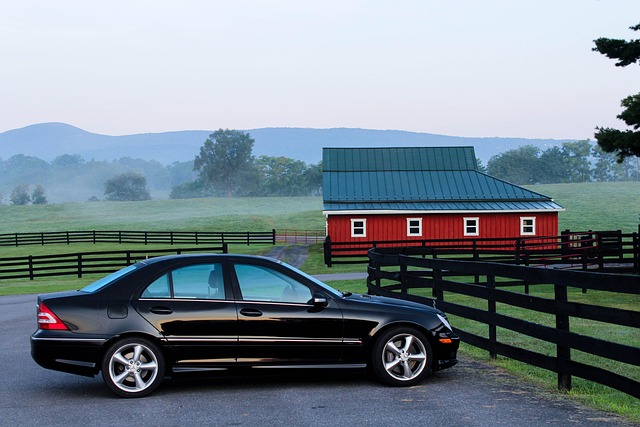
Specialized JDM (Japanese Domestic Market) restoration involves a meticulous deconstruction of the vehicle to ensure each component is restored or replaced with precision. The process begins with a thorough inspection, identifying the scope of work required for both interior and exterior modifications. For example, rust spots often indicate structural integrity issues, requiring specialized metal repair techniques to mitigate potential safety hazards. Interior mods can range from simple upholstery replacements to complex electrical system upgrades, ensuring all components meet modern standards while preserving the car’s original aesthetic.
Next, the restoration team selects JDM cars naturally based on their unique features and performance capabilities. This involves researching specific models known for their handling dynamics or advanced technologies. Once chosen, a comprehensive disassembly is performed, allowing access to intricate mechanicals. Here, experts conduct a detailed analysis of the car’s performance, identifying areas for enhancement while adhering to legal requirements. For instance, modifications must comply with emissions standards and safety regulations to ensure roadworthiness post-restoration.
After deconstructing and analyzing, restoration specialists commence rebuilding, prioritizing precision engineering. Customized exterior mods, such as body kits or aerodynamic enhancements, are meticulously crafted to enhance aesthetics without compromising structural integrity. Similarly, interior refinishing combines traditional craftsmanship with modern amenities, creating a harmonious blend of vintage charm and contemporary convenience. Throughout the process, regular testing ensures each modification aligns with the vehicle’s overall performance and handling characteristics. This meticulous approach not only revitalizes JDM cars but also preserves their unique identity for car enthusiasts worldwide.
Sourcing Parts: Authenticity and Quality Matter

Restoring JDM (Japanese Domestic Market) cars requires a meticulous approach, especially when focusing on sourcing parts. Authenticity and quality are paramount to ensuring the restoration’s integrity and the car’s overall performance. With JDM classics becoming increasingly sought-after among enthusiasts, understanding where to find reliable components is crucial. One of the primary challenges lies in distinguishing genuine parts from replicas, which can significantly impact the final result.
When selecting parts for a JDM restoration project, prioritizing reputable suppliers is essential. Many specialized restorers and importers offer a curated collection of authentic pieces, ensuring they meet the exacting standards of these iconic vehicles. For instance, professional car importation services often have established relationships with Japanese manufacturers and dealers, facilitating access to rare and original components. This direct source can be particularly valuable for older JDM models, where availability may be limited. Customization ideas can also be explored through these channels, allowing restorers to find unique parts that match the desired specifications.
Additionally, online platforms dedicated to JDM enthusiasts provide a wealth of information and access to hard-to-find items. These resources often include detailed reviews and forums where owners share their experiences with various suppliers. While some replicas may be marketed as high-quality alternatives, restorers must remain vigilant in maintaining the car’s historical accuracy. As the market for JDM classics continues to grow, so does the need for discerning buyers and restorers to make informed decisions. This ensures that these iconic vehicles are preserved accurately, catering to both their historical significance and modern customization desires.
Final Touches: Bringing JDM Restorations to Life
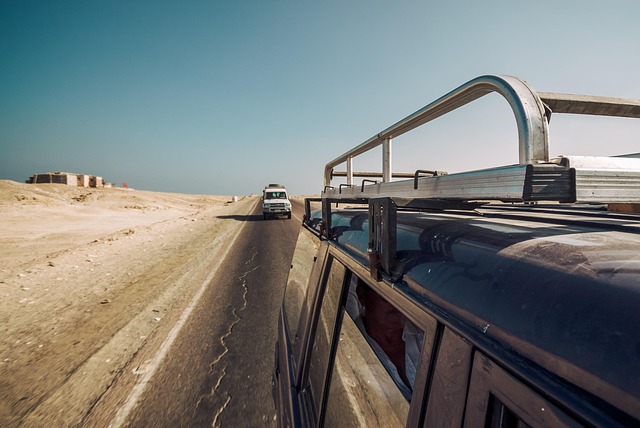
Bringing a Select JDM Car to its Final Glory: The Art of Restoration
The meticulous process of Specialized JDM restoration culminates in the application of final touches that breathe life into these iconic vehicles. This critical phase demands an unparalleled level of skill, precision, and an unwavering eye for detail from specialist mechanics. For vintage car aficionados seeking authentic experiences, selecting a Select JDM Car as their next project offers a unique opportunity to own a piece of automotive history. These cars, often imported as street legal JDM imports, are not just vehicles but cultural artifacts that resonate with enthusiasts worldwide.
Specialist mechanics play a pivotal role in revealing the full potential of high-performance JDM engines and the unique aesthetics of these classic models. The final touches involve everything from fine-tuning mechanical components to meticulously restoring exterior surfaces. For instance, a restored 1990s JDM supercar might see its once-vibrant paintwork revitalized, showcasing the vibrant colors that defined that era. Similarly, the intricate details of the interior, from dashboard trim to seat upholstery, are carefully restored to their original glory, ensuring an immersive driving experience for modern tastes.
JDM car sales platforms have facilitated a global community of enthusiasts who appreciate these unique vehicles. As the market for high-performance JDM engines and parts continues to grow, so does the demand for expert restorers capable of handling final touches with finesse. Whether it’s a 1980s Honda Civic Si or a rare Toyota Supra MKIV, each car tells a story that must be respected and preserved. The art of Specialized JDM restoration goes beyond simply fixing parts; it involves understanding and honoring the legacy of these iconic vehicles for future generations to appreciate.
By mastering the art of specialized JDM restoration, enthusiasts can preserve iconic automotive heritage. Key insights include recognizing genuine Select JDM Cars as a foundation for successful restoration, understanding a meticulous deconstruction process, sourcing authentic parts of superior quality, and executing final touches that bring these classics back to life. The article equips readers with practical knowledge to navigate this intricate journey, ensuring the restored vehicles not only function optimally but also capture the essence of their original glory. Moving forward, enthusiasts are encouraged to apply these principles, fostering a new generation of meticulously preserved JDM automobiles.