
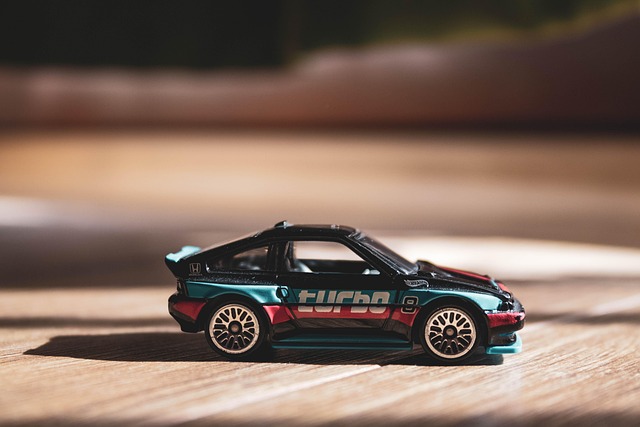
Select JDM Cars handpicked for their quality, rarity, and historical significance gain global popularity among serious car collectors. This involves international sourcing, strict criteria, and meticulous restoration, especially for iconic models like Toyota Supra, Nissan Skyline GT-R, and Mazda RX-7. Proper maintenance, authentic parts, and responsible ownership are vital to preserve these cars' value. Professional importers navigate complex legalities to ensure compliance. Building a collection requires defining themes, sourcing parts, and modifying vehicles while maintaining original character. Online communities and car shows aid in uncovering unique finds, staying current with JDM tuning guides.
In the automotive world, the concept of handpicked inventory holds immense significance, especially for enthusiasts seeking unique and high-quality vehicles. However, navigating the market to source exceptional cars can be a challenging task. This is where expertise comes into play, particularly when focusing on Select JDM Cars naturally.
The challenge lies in identifying and acquiring authentic, well-maintained, and desirable Japanese Domestic Market (JDM) automobiles that have been carefully curated. Our article provides an authoritative guide to this process, offering insights into the criteria for selection, ensuring quality, and ultimately, helping car enthusiasts find their dream JDM vehicles without the usual hurdles.
- Understanding Handpicked Inventory: The Concept Unveiled
- Sourcing Unique Vehicles: JDM Cars in Focus
- Quality Assurance: Ensuring Top Condition Selections
- Market Trends: Popular JDM Car Types and Demands
- Legal Considerations: Importing Handpicked Inventory Globally
- Building a Collection: Strategies for Curating JDM Cars
Understanding Handpicked Inventory: The Concept Unveiled
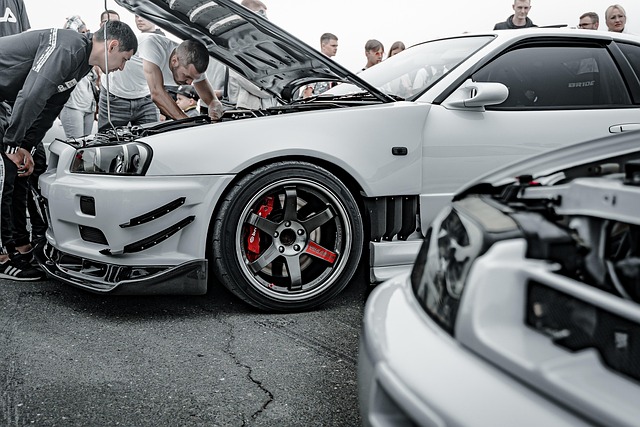
Handpicked inventory, particularly in the realm of Select JDM Cars, represents a meticulous approach to curating vehicles known for their unique global auto trends and vintage car preservation. Unlike mass-produced models, these cars are handpicked based on strict criteria, ensuring each one embodies exceptional quality, rarity, and historical significance. This method involves navigating international auto transport networks to source vehicles from around the world, highlighting the global nature of the automotive passion.
The concept behind handpicked inventory is rooted in an expert’s understanding that every car tells a story. Each Select JDM Car has its own history, contributing to its unique character and appeal. By prioritizing these narratives over mere numbers or market trends, connoisseurs create collections that resonate with both the mind and the heart. For instance, a 1970s Japanese sports car, meticulously preserved through global auto transport and vintage car preservation techniques, becomes more than just a vehicle; it’s a piece of automotive history, reflecting the era’s engineering prowess and design aesthetics.
This curated approach ensures that enthusiasts gain access to truly exceptional vehicles. It fosters a deeper appreciation for both the present and the past of international auto trends, as owners can trace the evolution of automotive design and technology through their handpicked selections. Moreover, it encourages responsible vintage car preservation practices, ensuring these timeless creations remain in top condition for future generations to admire and enjoy. As global auto transport becomes more accessible, the handpicked inventory concept continues to gain traction among serious car collectors worldwide.
Sourcing Unique Vehicles: JDM Cars in Focus
Handpicked inventory, particularly the sourcing of unique vehicles, plays a pivotal role in shaping the landscape of specialist car coverage. Among these, Japanese Domestic Market (JDM) cars stand out for their distinctive design and engineering, captivating import car enthusiasts worldwide. Selecting JDM cars naturally requires a deep dive into the rich heritage of Japanese automotive culture, where innovation and craftsmanship converge.
Restoring Japanese classics is an art form in itself, demanding meticulous attention to detail and a profound understanding of the vehicle’s original specifications. Import car enthusiasts often seek out these timeless pieces, which have become symbols of both cultural heritage and individual expression. Accessorizing JDM cars further enhances their allure; from bespoke performance upgrades to meticulously curated interior modifications, these additions cater to the discerning tastes of collectors and enthusiasts alike.
Specialist dealers who specialize in JDM car accessories play a vital role in this ecosystem. They not only facilitate the import process but also provide expert guidance on restoration and customization options. For instance, data indicates that the market for classic JDM vehicles has experienced steady growth, with some models appreciating at rates surpassing traditional luxury cars. This trend underscores the allure of these vehicles and the dedicated following they command among enthusiasts who value both their aesthetic appeal and historical significance.
To ensure a successful selection process, import car enthusiasts are advised to engage specialists who can guide them through the intricacies of choosing the right JDM model, understanding its unique requirements for restoration, and sourcing authentic accessories that preserve its original character. This holistic approach ensures that handpicked inventory not only meets expectations but also becomes a cornerstone in building a remarkable collection that resonates with the passion and pride of its owner.
Quality Assurance: Ensuring Top Condition Selections

Handpicked inventory, particularly within the niche of Select JDM Cars, demands a meticulous approach to Quality Assurance, ensuring each vehicle selected meets the highest standards. This process is paramount in cultivating a collection of restorable Japanese car communities gems, ideal for enthusiasts and collectors. Expert evaluators scrutinize every aspect, from structural integrity to mechanical condition, to accurately assess a car’s potential. For instance, a well-preserved JDM classic like a 1990s Toyota Supra requires a detailed inspection of its body panels, ensuring minimal rust or damage, signs of previous repairs, and original paint quality.
The auto importation process plays a crucial role in this assurance. Importers must carefully navigate customs regulations, ensuring compliance to avoid delays or complications. Once imported, JDM cars often undergo further scrutiny by specialized mechanics who verify the engine’s performance, transmission health, and overall drivability. This rigorous screening is pivotal for enthusiasts participating in car shows and meets, aiming to showcase their meticulously restored vehicles. For example, at premier events like SEMA (Specialty Equipment Market Association) or regional JDM car meets, judges evaluate not only aesthetics but also the technical excellence of each entry, setting a high bar for quality.
Beyond basic functionality, JDM car customization is a significant aspect of ownership for many collectors. This involves enhancing performance, aesthetics, and drivability while preserving the car’s original charm. Expert restorers balance these modifications to maintain the vehicle’s historical integrity. For instance, upgrading a JDM car’s suspension system to improve handling dynamics while ensuring it aligns with the vehicle’s intended original purpose and aesthetic appeal requires subtle adjustments. Ultimately, successful handpicked inventory involves striking a delicate balance between preserving history and embracing modern customization, ensuring each Select JDM Car stands as a testament to automotive craftsmanship both past and present.
Market Trends: Popular JDM Car Types and Demands
The global automotive market has witnessed a growing trend of handpicked inventory, with select JDM (Japanese Domestic Market) cars gaining immense popularity worldwide. These iconic vehicles, known for their unique styling, powerful performance, and advanced technology, have become a favorite among car enthusiasts. The demand for classic Japanese bikes, particularly from brands like Toyota, Nissan, and Mazda, has been on the rise, driven by a deep appreciation for their craftsmanship and engineering excellence. This trend is not merely about nostalgia; it reflects a sophisticated understanding of JDM cars’ inherent appeal and their potential as valuable investments.
Among the most sought-after JDM car types are the timeless Toyota Supra, Nissan Skyline GT-R, and Mazda RX-7. The Supra’s aggressive styling and rear-wheel-drive setup have made it a legend on track and a coveted classic. The Skyline GT-R, with its all-wheel-drive system and formidable power, has earned a reputation as one of the most capable sports cars ever produced. Meanwhile, the Mazda RX-7, renowned for its lightweight construction and unique rotary engine, offers an exhilarating driving experience that appeals to purists. These cars have not only left their mark on racing circuits but also became iconic symbols in pop culture, influencing car styling options worldwide.
To maintain the integrity and value of these original equipment JDM cars, proper care is essential. Regular maintenance routines, including timely oil changes and careful inspection of critical components, are crucial. For instance, rotary engines in RX-7s require specialized attention due to their unique design. Car enthusiasts should also consider the availability of authentic parts, as aftermarket replacements might compromise the car’s performance and originality. As the demand for JDM classics grows, so does the importance of responsible ownership and a commitment to preserving these automotive treasures for future generations.
Legal Considerations: Importing Handpicked Inventory Globally
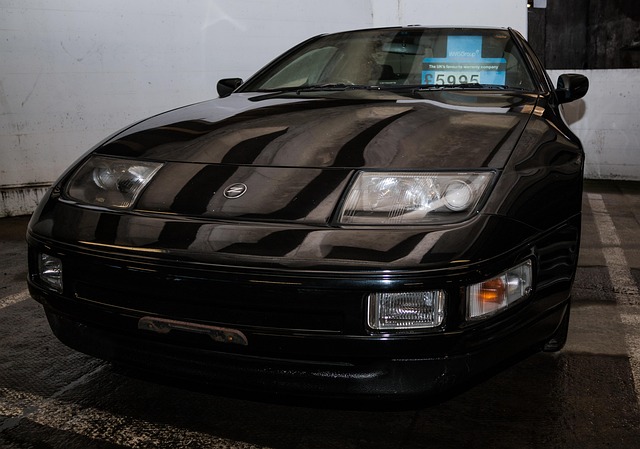
Handpicked inventory, particularly unique auto collections featuring rare JDM models, presents a complex landscape for global importers. While the allure of selecting high-quality, specialist cars is undeniable, navigating legal considerations is paramount to ensure a smooth and compliant importation process. This is especially true when dealing with vehicles that may have unique regulatory requirements or restrictions due to their age or specific features.
Professional car importers who specialize in 1-3 times per year shipments understand these nuances better than most. They know that simply picking the right JDM cars, like Select JDM Cars naturally, isn’t enough; they must also comply with varying national and international regulations. For instance, many countries have strict emission standards that may not be met by older Japanese models, necessitating modifications or additional certifications. Furthermore, intellectual property rights and customs duties can significantly impact the overall cost of importing these special vehicles, requiring meticulous documentation and adherence to free trade agreements.
Best practices for importers include thorough research into destination country regulations well in advance. This proactive approach allows for necessary adaptations to be made before the shipment arrives. Engaging with specialists who offer comprehensive car coverage and have experience with rare JDM models can also mitigate risks. By leveraging their expertise, importers can avoid costly mistakes and ensure that their handpicked inventory enters the market as intended—a testament to their commitment to quality and compliance.
Building a Collection: Strategies for Curating JDM Cars
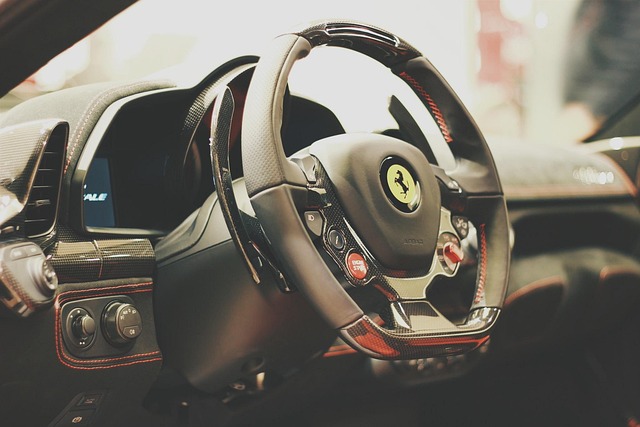
Building a collection of Select JDM Cars involves more than just finding rare models; it’s an art form that demands strategic curating. The process begins with identifying specific themes or aesthetics that define your collection. For instance, some collectors prefer the classic Japanese styling of 1990s sports cars, while others might focus on the aggressive body kits and unique features of JDM performance models. This initial selection guides the subsequent steps in acquiring and modifying these vehicles.
Curating involves a meticulous approach to sourcing parts and components, often requiring access to specialized car modification supplies and JDM tuning guides. Interior and exterior mods play a significant role in transforming these cars into works of art on wheels. Customization can range from simple aesthetic changes like new paint jobs and custom seats to more complex alterations such as engine tuning, suspension upgrades, and air intake modifications. The key is to balance the car’s original character with modern performance and aesthetics.
One effective strategy is to leverage online communities and forums dedicated to JDM cars. These platforms provide valuable insights into rare finds and connect collectors with trusted suppliers of JDM parts. Additionally, attending specialty car shows and events allows for firsthand inspection of potential additions to your collection. It’s here that you might discover one-of-a-kind vehicles or rare components that can elevate your collection. Regularly updating your knowledge with the latest in JDM tuning guides ensures your cars remain at the forefront of performance and style.
By delving into the world of handpicked inventory, specifically focusing on JDM cars, this article has illuminated key strategies for enthusiasts and collectors. Understanding the concept involves recognizing the art of selecting unique vehicles known for their quality and appeal. The market trends section revealed popular JDM car types, guiding collectors in making informed decisions. Quality assurance remains paramount, ensuring each car meets top-condition standards. Legal considerations are essential for global importing, while building a collection requires strategic curating. For those looking to naturally select JDM cars, this article provides valuable insights into navigating this vibrant and diverse automotive landscape, empowering readers to build their dream collections with confidence and expertise.