

Rare JDM car collections blend automotive history and passion. Selecting these involves understanding unique characteristics, sourcing authentic parts, and navigating legalities. Key steps include: researching reputable dealers, consulting experts, adhering to legal requirements, and prioritizing original condition. Examples like Toyota Supra and Nissan Skyline GT-R are iconic. With limited global availability, dedication and specialized resources are crucial for memorable collections.
The global automotive landscape boasts a diverse array of car cultures, with Japan’s JDM (Japanese Domestic Market) cars holding a special place among enthusiasts worldwide. Their unique styling, advanced technology, and performance have captivated collectors and fans alike. However, the rarity of these vehicles presents a challenge—securely acquiring and maintaining a Select JDM Car collection demands meticulousness and expertise. This article delves into the intricacies of building such a collection, offering valuable insights for both seasoned collectors and those new to this exhilarating realm. We’ll explore proven strategies, must-consider factors, and expert advice tailored to navigating the rare JDM car market.
- Unveiling the Allure of Rare JDM Car Collections
- Understanding the History and Cultural Significance
- Selecting Iconic JDM Models for Your Collection
- Sourcing Authentic and High-Quality JDM Vehicles
- The Art of Curating a Memorable JDM Motorcar Portfolio
Unveiling the Allure of Rare JDM Car Collections
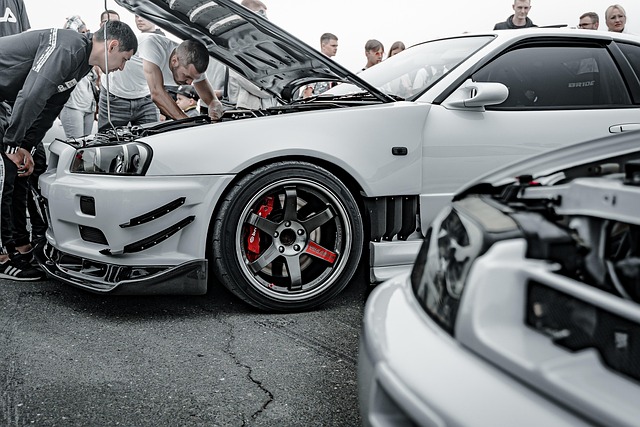
The allure of rare JDM car collections lies not only in their exquisite craftsmanship but also in their ability to tell a story—a narrative woven into every curve, engine purr, and distinctive sound. These cars, born from Japan’s automotive heritage, represent a golden era of auto customization services where each vehicle is a work of art, meticulously designed to captivate and inspire. The appeal extends beyond their visual allure; rare JDM cars encapsulate the spirit of innovation, precision engineering, and attention to detail that has long been a hallmark of Japanese car communities.
Selecting JDM cars naturally involves an understanding of their unique characteristics and the ecosystems that nurture them. Authentic JDM parts are crucial for maintaining these collectibles’ original equipment integrity. This is where dedicated restorable JDM cars come into play, offering enthusiasts the chance to meticulously restore them to their former glory. For instance, a 1994 Toyota Supra, renowned for its power and agility, can be transformed back into its classic form using genuine parts sourced from specialized suppliers. The process demands patience, skill, and an unwavering commitment to preserving automotive history.
Japanese car communities worldwide have embraced the cult status of these rare vehicles, fostering a sense of camaraderie among owners and enthusiasts. These communities serve as vital hubs for sharing knowledge, authentic JDM parts, and advice on restoration projects. They also provide platforms for showcasing not just the cars themselves but the passion and dedication behind their creation and preservation. For those looking to delve into this space, investing in reliable auto customization services and cultivating connections within these communities is essential. This ensures that the selection, restoration, and ownership experience are both authentic and enriching.
Understanding the History and Cultural Significance

The world of rare JDM (Japanese Domestic Market) car collections is a fascinating blend of automotive history, cultural significance, and passionate collecting. To truly understand these vehicles, one must delve into their unique origins and evolution within Japan’s automotive landscape. JDM cars are renowned for their performance, innovation, and distinct styling, often setting them apart from their international counterparts. This cultural phenomenon has captivated collectors worldwide, who seek to own a piece of Japanese motoring heritage.
The history of JDM cars is deeply rooted in post-war Japan, where the automotive industry emerged as a powerful economic driver. Local manufacturers focused on creating vehicles tailored to the specific needs and preferences of Japanese drivers, resulting in models that often diverged from global exports. Over time, these domestic-only cars developed a cult following among enthusiasts, both within Japan and abroad. The most sought-after JDM models include classics like the Toyota Supra MK4, Nissan Skyline GT-R (R32), and Mazda RX-7 FD, which have become symbols of Japanese automotive prowess.
Professional car importation plays a pivotal role in accessing these rare gems. Legal requirements for importing JDM vehicles vary by country, but dedicated experts can guide collectors through the process. This often involves ensuring compliance with local regulations, modifying specifications to meet safety and emission standards, and navigating complex paperwork. Many professional importer-dealers specialize in JDM cars, offering a curated selection of authentic models that have been meticulously prepared for international markets. By understanding JDM car history and working with reputable importers, collectors can acquire these select vehicles, enriching their collections with pieces of automotive art that tell a compelling story of Japanese engineering and design.
Selecting Iconic JDM Models for Your Collection
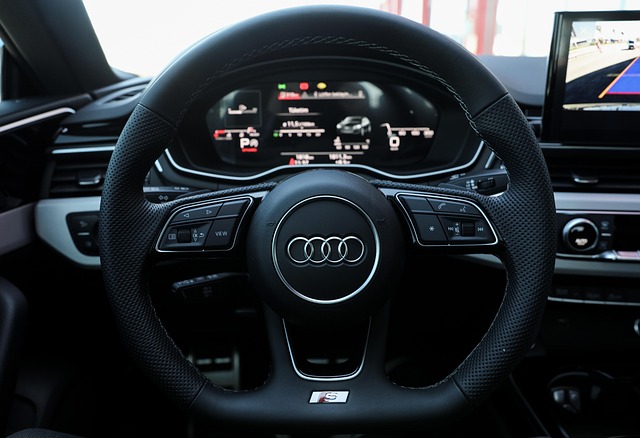
When curating a rare JDM (Japanese Domestic Market) car collection, selecting iconic models is paramount to creating a truly remarkable display. These vehicles are not just cars; they represent a cultural phenomenon that has captivated enthusiasts worldwide. The key lies in choosing models that encapsulate the essence of JDM’s unique styling, performance, and engineering, while also considering their market value and longevity.
Focus on selecting JDM cars that have left an indelible mark on automotive history. Iconic models like the Mitsubishi 3000GT, known for its sleek design and innovative all-wheel-drive system, or the Toyota Supra, a symbol of speed and precision, are natural choices. These vehicles not only embody the spirit of JDM but also command significant respect in car shows and meets, serving as conversation starters and showcasing the era’s remarkable automotive achievements.
Auto detailing services play a crucial role in preserving these rare collections. Proper maintenance ensures that each car retains its original allure, enhancing their visual impact when displayed. Keeping up with market trends is equally important. Regularly assessing the demand for specific models allows collectors to make informed decisions, ensuring their investments remain valuable over time. For instance, data shows that certain limited-edition JDM models have experienced steady or even increasing values due to their growing rarity and popularity among collectors.
When selecting your JDM cars, consider a mix of classic and modern models. This approach not only showcases the evolution of Japanese automotive design but also ensures a diverse and engaging collection. Remember, curating such a collection is an art; it requires both passion and strategic thinking to assemble a truly remarkable display that resonates with auto enthusiasts.
Sourcing Authentic and High-Quality JDM Vehicles
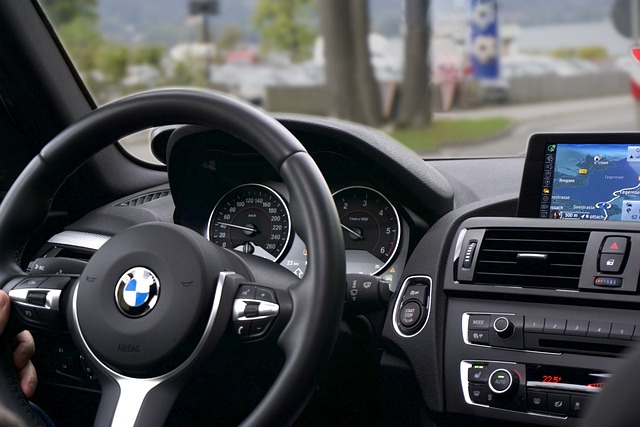
Acquiring authentic and high-quality JDM (Japanese Domestic Market) vehicles for collections requires a meticulous approach, combining an expert eye for detail with a deep understanding of legal requirements and specialist car coverage. The process involves navigating a complex web of sources, from reputable dealers to hidden gems in the secondary market. One of the key challenges is ensuring the vehicle’s origin and history, as counterfeit or misrepresented JDM cars can be problematic. For instance, a collector might stumble upon an attractive offer for a classic JDM sports car, only to discover later that it was not originally from Japan or has been through multiple owners, compromising its authenticity.
Select JDM Cars naturally by researching reputable dealers and auction houses known for their specialist car coverage of JDM models. These sources often have robust vetting processes in place, ensuring the vehicles’ history and documentation are accurate. Additionally, building relationships with experienced mechanics or restorers who specialize in JDM cars can provide valuable insights into a vehicle’s condition and potential issues unique to these models. Custom car building is another facet to consider; while some enthusiasts opt for full customization, others prefer to restore classic JDM vehicles to their original specifications, maintaining historical integrity.
Legal requirements vary across regions, so it’s crucial to understand the import regulations, taxes, and registration processes specific to your area. Some countries have strict guidelines regarding vehicle age, mileage, and condition, while others may require additional insurance or specialist car coverage for imported JDM vehicles. Collectors should also be aware of potential cultural differences in vehicle maintenance and repair practices, ensuring that any restoration work aligns with the original manufacturer’s standards. By combining thorough research, expert guidance, and adherence to legal requirements, collectors can build a remarkable and authentic JDM car collection.
The Art of Curating a Memorable JDM Motorcar Portfolio

Curating a remarkable JDM (Japanese Domestic Market) motorcar collection is an art form that requires a meticulous eye for detail, deep automotive knowledge, and a passion for unique vehicles. It involves selecting not just cars, but pieces of automotive history and culture that tell a story. The process demands careful consideration of each vehicle’s rarity, condition, and its place within the broader JDM landscape. Collectors often seek to acquire iconic JDM vehicles known for their performance, design, or cultural significance, ensuring their collection stands out.
When building such a portfolio, engaging with specialist mechanics and auto customization services is vital. These experts can provide insights into the car’s history, potential modifications, and necessary repairs, ensuring each vehicle in the collection reaches its optimal condition. Access to authentic JDM parts is also essential; these original components maintain the integrity of the cars and are crucial for specialized repairs or restorations. Reputable JDM car sales platforms facilitate this process, connecting collectors with a global network of sellers and providing a marketplace for rare finds.
For instance, consider a collector focusing on classic Japanese sports cars. They might seek a first-generation Toyota Supra, known as the ‘JDM Icon,’ due to its exceptional handling and limited availability outside Japan. Such a car, if properly restored, becomes a centerpiece of the collection, drawing admiration from fellow enthusiasts. Data suggests that only an estimated 25% of JDM vehicles are still in circulation globally, making each car a rare piece of automotive history. Therefore, curating a memorable JDM motorcar portfolio requires dedication, research, and access to specialized resources to source these unique vehicles.
By exploring the allure of rare JDM car collections, delving into their historical and cultural significance, and mastering the art of curation, enthusiasts can build exceptional motorcar portfolios. The article has guided readers through selecting iconic models that resonate naturally with their passions, emphasizing authenticity and quality in sourcing. Key takeaways include understanding the unique value of JDM vehicles, curating a collection that tells a story, and recognizing the importance of preserving automotive history. Moving forward, collectors are encouraged to Select JDM Cars that align with their interests, ensuring their collections not only impress but also hold cultural weight for years to come.