
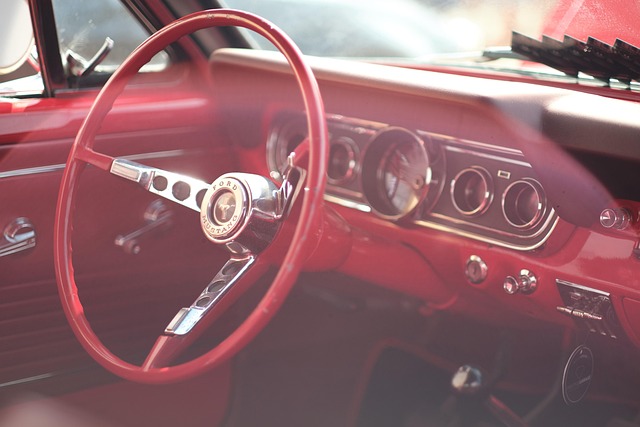
Signature handling and specialized care are crucial for maintaining classic Japanese vehicles (JDM cars), ensuring their value and longevity. Select JDM Cars naturally by balancing performance, reliability, and cultural significance. Enthusiasts customize these cars through meticulous tuning while considering legal compliance, as each country has unique regulations. Responsible ownership includes regular maintenance, historical scrutiny, and robust insurance, fostering a thriving JDM enthusiast community.
In the realm of automotive enthusiasts, signature handling characteristics are the very essence of performance driving. Select JDM Cars, known for their unique dynamism, often possess exquisite handling traits that set them apart. However, understanding and appreciating these nuances can be a challenge, particularly when navigating a sea of information. This article delves into the heart of these handling dynamics, offering a comprehensive guide to help you decipher and value the signature characteristics that make JDM Cars so coveted. By exploring key aspects, we aim to empower enthusiasts with genuine insights, fostering a deeper connection with these remarkable machines.
- Understanding Signature Handling: Basics and Importance
- Selecting JDM Cars: Key Factors and Criteria
- Unlocking Performance: Tuning and Mods for JDM Vehicles
- Legal and Safety Considerations: Driving JDM Signatures Responsibly
- Maintenance and Longevity: Caring for Your JDM Acquisition
Understanding Signature Handling: Basics and Importance
Understanding Signature Handling: Basics and Importance
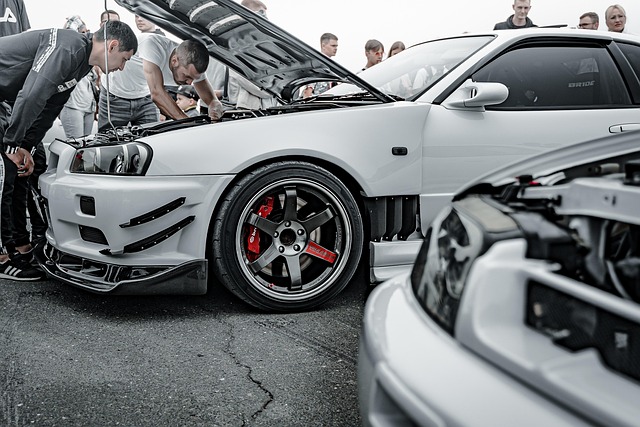
Signature handling characteristics are a crucial aspect of owning and maintaining classic Japanese vehicles, commonly known as JDM cars. These unique features, ranging from their intricate mechanical systems to distinct design elements, require specialized care and knowledge. When it comes to JDM car service centers, proper signature handling goes beyond basic maintenance; it involves recognizing and addressing the specific logistics for classic cars. This includes understanding the legal requirements associated with importing and servicing these vehicles, ensuring compliance throughout the process.
For instance, Japanese car service centers specializing in JDM models must be adept at handling the unique challenges posed by these classics. This involves not just technical expertise but also a deep understanding of the historical context and original design intent. Consider the intricate electronics found in older JDM cars; proper care requires specialized knowledge to avoid damage or incompatibility with modern tools. Moreover, logistics for classic car service centers extend to sourcing authentic parts, as many JDM models have specific requirements that differ from their domestic counterparts.
The importance of signature handling becomes evident when considering the value and longevity of these vehicles. JDM car care requires a holistic approach, encompassing everything from mechanical servicing to aesthetic preservation. By adhering to best practices, owners can ensure their cars not only run reliably but also maintain their original appeal. This is particularly crucial in markets where classic JDM cars are highly sought after, with some models commanding substantial prices at auctions. Legal requirements and proper care not only protect the vehicle’s integrity but also contribute to a thriving community of JDM enthusiasts.
Selecting JDM Cars: Key Factors and Criteria
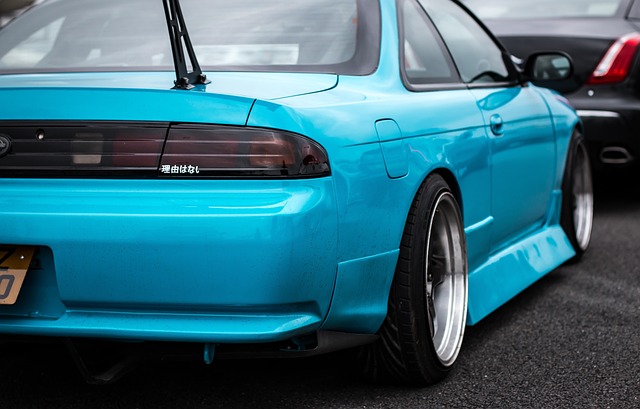
When it comes to selecting JDM (Japanese Domestic Market) cars, enthusiasts often seek one-of-a-kind vehicles that offer a unique blend of performance, reliability, and cultural significance. These classic car imports have garnered a dedicated following worldwide due to their distinctive handling characteristics and aesthetic appeal. The process of choosing the right JDM vehicle requires careful consideration of several factors, especially when navigating the market for specialist car coverage.
One of the primary criteria for selecting JDM cars is understanding the specific model’s performance potential. Japanese automakers have a reputation for engineering compact yet powerful engines, known for their efficiency and responsiveness. For instance, the iconic Toyota Supra, a popular choice among enthusiasts, features a high-revving inline-six cylinder engine that delivers exceptional speed and agility. Similarly, the Nissan Skyline GT-R is renowned for its advanced all-wheel-drive system and potent V6 engine, making it a formidable force on winding roads. Enthusiasts should delve into performance specifications, such as horsepower, torque, and 0-60 times, to ensure the car aligns with their driving aspirations.
Another vital aspect involves considering the vehicle’s reliability and maintenance requirements. JDM cars have earned a reputation for their durability, but individual models can vary. Researching common issues and maintenance schedules specific to each model is essential. For example, some older JDM sports cars may require specialized parts and expertise for servicing, especially if they are rare or less commonly imported. Specialist car coverage can play a crucial role here, offering tailored insurance policies that cater to the unique needs of classic car owners. This ensures peace of mind, knowing that these one-of-a-kind vehicles are protected during ownership and potential restoration projects.
Unlocking Performance: Tuning and Mods for JDM Vehicles

Unlocking the full performance potential of JDM (Japanese Domestic Market) vehicles involves a meticulous process of tuning and modification, a path that enthusiasts often refer to as “JDM car customization.” This art is about more than just enhancing speed; it’s about understanding the unique characteristics of these cars and tailoring them to excel on the road or track. The auto importation process for JDM vehicles brings these machines to new shores, but true mastery lies in knowing how to harness their inherent power.
When discussing performance optimization, select JDM cars naturally stand out due to their heritage and engineering prowess. Models like the Skyline GT-R, Supra, and Civic Type R have become icons in the world of high-performance vehicles. These cars are not just classics; they represent a rich automotive history that continues to inspire modifications. For instance, the 1994–2002 Skyline GT-R is renowned for its all-wheel-drive system and twin-turbo V6 engine, making it a favorite among enthusiasts who appreciate both drivability and track performance. Modern JDM imports offer similar attractions, with advanced technology and precision engineering that lend themselves to performance tuning.
The process of unlocking performance involves a delicate balance between enhancing the engine, refining the suspension, and optimizing the transmission. For example, upgrading the intake and exhaust systems can improve airflow, leading to better fuel combustion and increased horsepower. Suspension modifications, such as lowering springs or adjustable coilovers, enhance handling and reduce body roll during cornering. Transmission tuning ensures that power is delivered efficiently, allowing for quicker shifts and improved acceleration. The key lies in understanding the car’s original design intent and making adjustments that complement these characteristics rather than disrupting them.
In terms of pricing, JDM car customization can be a significant investment. Classic JDM vehicles, especially those with low mileage and well-preserved conditions, can fetch prices 1–3 times higher than their domestic counterparts. This premium is often justified by the car’s exclusivity, performance potential, and historical significance. For instance, a meticulously restored 1994 Skyline GT-R might command a price several times higher than a similarly spec’d domestic sports car, reflecting its status as a rare and desirable icon on wheels. As such, enthusiasts must weigh the costs against the benefits, ensuring that their investments align with their passion for both the car’s heritage and its performance capabilities.
Legal and Safety Considerations: Driving JDM Signatures Responsibly
Signature handling characteristics, especially when it comes to driving JDM (Japanese Domestic Market) signatures responsibly, require a deep understanding of legal and safety considerations for both import car enthusiasts and buyers and sellers navigating the logistics for classic cars. The unique features of these vehicles, such as their manual transmissions and responsive handling, necessitate a corresponding level of expertise in car care and road knowledge.
For instance, JDM cars often come with specialized components that may not be readily available or require specific maintenance routines not typical to other makes. Import car enthusiasts who purchase these vehicles must invest time in learning about the intricacies of JDM car care to ensure optimal performance and longevity. This includes understanding the nuances of engine oil types, transmission fluid specifications, and brake pads suitable for the vehicle’s handling dynamics. A key aspect is recognizing that “one-size-fits-all” approaches can be detrimental; a responsible owner must tailor their care practices to the specific JDM model they’ve acquired.
Moreover, legal considerations cannot be overlooked when driving these signature vehicles. Every country has its own set of regulations regarding imported cars, and adhering to these is paramount for safety and legality. For buyers and sellers in the market, ensuring proper documentation, compliance with local laws, and knowledge of any specific import car tax or registration requirements are essential steps. For instance, some regions may mandate certain safety features or emissions tests for older vehicles, reflecting a broader trend towards prioritizing road safety and environmental sustainability.
In conclusion, responsible driving and care of JDM signatures necessitate a blend of technical expertise in car care and adherence to legal standards. Import car enthusiasts who embrace these principles not only ensure their own safety but also contribute positively to the preservation and appreciation of classic cars within the broader community.
Maintenance and Longevity: Caring for Your JDM Acquisition
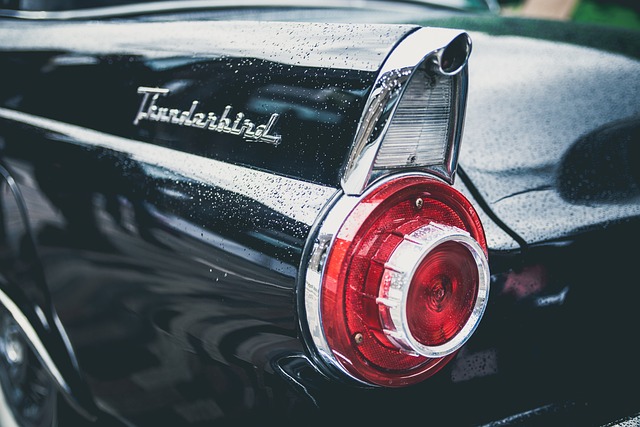
Maintaining and ensuring the longevity of your JDM (Japanese Domestic Market) acquisition is a key aspect of owning these iconic vehicles. Select JDM Cars naturally through global car trading networks, where a robust specialist market exists, allowing for access to high-quality, well-cared-for vehicles. The unique engineering and craftsmanship of JDM cars necessitate a thoughtful approach to ownership, one that considers both the daily driver experience and long-term preservation.
Regular maintenance is crucial, especially as these vehicles often traverse international borders, requiring specialist car coverage for import vehicle protection. A proactive approach involves adhering to manufacturer recommendations for service intervals and using only genuine parts where possible. For example, maintaining proper oil pressure and regular fluid changes can prevent more serious issues down the line. Additionally, considering the climate differences many JDM owners face upon importing their cars, ensuring appropriate cooling system maintenance is vital to avoid potential damage from overheating.
Longevity also hinges on understanding the vehicle’s history and authenticity. Many JDM enthusiasts seek out low-mileage examples, which often command premium prices but offer better preservation prospects. Data suggests that original mileage remains a strong indicator of a car’s condition, with many JDM specialists offering detailed vehicle histories to ensure transparency. Moreover, the global nature of JDM car ownership means access to international networks of experts who can provide tailored advice and support for specific makes and models.
Import vehicle protection plans, offered by specialist providers, can offer peace of mind for new owners. These plans often include comprehensive coverage for mechanical failures and roadside assistance, ensuring that unexpected repairs or breakdowns won’t leave you stranded. By combining these strategies—including regular care, historical scrutiny, and robust insurance—JDM car owners can maximize the enjoyment of their unique acquisitions while preserving their legacy.
By understanding the signature handling characteristics of JDM cars, enthusiasts can make informed decisions when Select JDM Cars. From appreciating their unique basics and importance to navigating legal and safety considerations, this article has equipped readers with a comprehensive guide. Key insights include recognizing the performance potential through tuning and mods, prioritizing responsible driving, and ensuring longevity through proper maintenance. Moving forward, embracing these principles will not only enhance your ownership experience but also contribute to the responsible preservation of JDM vehicles in today’s automotive landscape.