
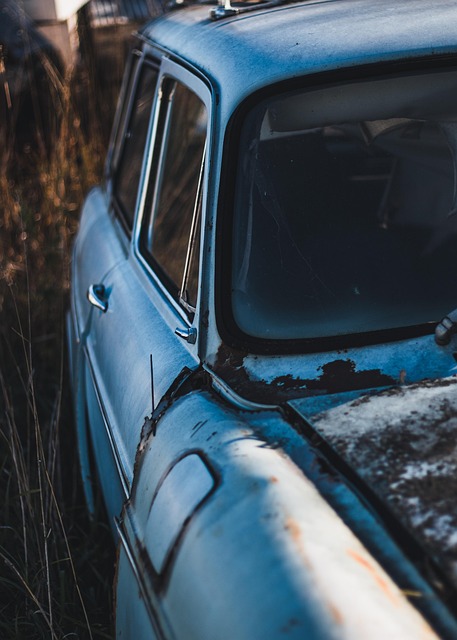
Specialized JDM restoration combines historical preservation with modern techniques. Key aspects include:
– Using original equipment parts for authenticity.
– Employing advanced repair methods to conserve materials.
– Thorough research and accurate part matching for visual and performance integrity.
– Selecting significant, well-preserved vehicles for optimal restoration.
– Maintaining legal, ethical standards during preparation and sourcing.
– Integrating traditional methods with modern techniques for seamless fusion of old and new.
– Regular maintenance, prompt issue resolution to prevent damage.
– Accessing specialist networks for rare components.
The art of restoring JDM (Japanese Domestic Market) cars has evolved into a specialized craft, demanding meticulous attention to detail and a deep understanding of these iconic vehicles. As enthusiasts seek to preserve the legacy of brands like Toyota, Nissan, and Mazda, the challenge lies in authenticating originality while addressing age-related issues. This article delves into the intricacies of specialized JDM restoration, offering an authoritative guide for restorers aiming to maintain historical accuracy and enhance these automotive treasures’ performance and appeal. By exploring proven techniques and authentic materials, we equip readers with the knowledge to Select JDM Cars naturally and restore them to their former glory.
- Understanding JDM Restoration: The Art and Science
- Selecting the Right JDM Cars for Restoration Projects
- Deconstructing the Classic: Preparation Techniques
- Authentic Reconstruction: Materials & Finishing Touches
- Preserving History: Long-Term Care and Maintenance Tips
Understanding JDM Restoration: The Art and Science

Specialized JDM restoration involves a delicate balance between preserving authentic historical elements and applying modern restoration techniques to ensure optimal performance and longevity. Understanding JDM Restoration: The Art and Science demands a deep dive into both traditional Japanese automotive craftsmanship and contemporary preservation methods. The unique aesthetics, engineering, and cultural significance of JDM (Japanese Domestic Market) cars necessitate meticulous care when undertaking their restoration.
For enthusiasts looking to restore a Select JDM Car naturally, prioritizing original equipment JDM parts is paramount. Import vehicle protection isn’t just about safeguarding the car’s value; it’s about maintaining its integrity as a historical artifact. Professional car importation services excel in sourcing these rare, genuine components, ensuring that the restoration stays true to the original design and functionality. Consider the intricate details of a 1990s Toyota Supra, for instance; each bolt, gasket, and sensor must be carefully matched to achieve both visual accuracy and optimal performance.
The art of JDM restoration also encompasses the science of materials conservation and repair. Professionals utilize advanced techniques like laser welding and specialized adhesives to mend damaged parts while preserving the car’s original materials. For example, repairing a cracked plastic component on an older Honda Civic involves selecting the correct grade of acrylic or polycarbonate to match both appearance and structural integrity. This blend of art and science requires extensive knowledge, precise tools, and a deep understanding of JDM vehicles’ unique characteristics, ensuring that each restored car becomes a testament to Japan’s automotive heritage.
Selecting the Right JDM Cars for Restoration Projects

Selecting the right JDM (Japanese Domestic Market) cars for restoration projects requires a nuanced approach, combining expert knowledge with an understanding of the unique needs of vintage car preservation. With a global community of import car enthusiasts, access to rare and classic vehicles has become easier, but discernment is key. Not every JDM car lends itself equally well to meticulous restoration, nor does every enthusiast have the expertise or vision to recognize potential.
Consider the nuances that set apart a worthy restoration candidate. Historical significance, original condition, and authenticity are non-negotiable. For instance, a first-generation Toyota Supra, known among enthusiasts as the “JDM icon,” presents an enticing challenge due to its cultural impact and scarcity in the market. However, examples with extensive modifications or compromised histories may not be ideal candidates, as restoration aims to preserve original integrity. Import car enthusiasts often seek these vehicles for their unique features and performance, but a successful restoration requires a vision that transcends personal taste.
International auto transport introduces another layer of complexity. Importing vintage JDM cars involves careful logistics to ensure their arrival in optimal condition. Data from the International Automobile Transport Association (IATA) highlights the growing trend in classic car imports, reflecting the global appetite for these time-honored machines. However, each vehicle’s journey must be meticulously planned, considering factors like climate control and secure packaging to mitigate potential damage during transit. Once acquired, restoration can begin, guided by a deep understanding of the car’s history and the expertise to breathe new life into its classic shell.
Deconstructing the Classic: Preparation Techniques

The meticulous art of restoring JDM (Japanese Domestic Market) cars involves a complex process of deconstructing these classic vehicles to their core elements, allowing for a deeper understanding of their design and functionality. This approach is particularly crucial when preparing a JDM car for restoration, as it enables restorers to make informed decisions about repairs, replacements, and customisations. The first step in this journey is carefully disassembling the vehicle, piece by piece, to assess its current state. This methodical process requires a high level of skill and precision, especially when dealing with rare or vintage JDM models.
Restorers must adopt a systematic approach, starting with a thorough inspection to identify areas of repair or replacement needed. For example, the auto importation process for JDM cars often introduces differences in specifications and parts availability compared to local market vehicles. Therefore, restorers should document every component, taking note of unique features and potential sources for authentic replacements. This meticulous documentation guides the restoration process, ensuring the car’s originality and historical accuracy. Furthermore, understanding the unique market trends in JDM car customization is essential. Restorers can incorporate modern customisation ideas while respecting the car’s heritage, creating a harmonious blend of old and new.
Preparation techniques extend beyond disassembly. It involves cleaning and preserving original parts, as well as sourcing compatible alternatives for any non-available or damaged elements. The goal is to maintain the integrity of the vehicle while enhancing its performance and aesthetics. Restorers should also consider the ethical implications of JDM car customs, ensuring that modifications adhere to legal requirements and respect the cultural significance of these iconic vehicles. By combining traditional restoration methods with modern techniques, restorers can transform a vintage JDM car into a beautifully restored masterpiece that honours its heritage and appeals to contemporary tastes.
Authentic Reconstruction: Materials & Finishing Touches
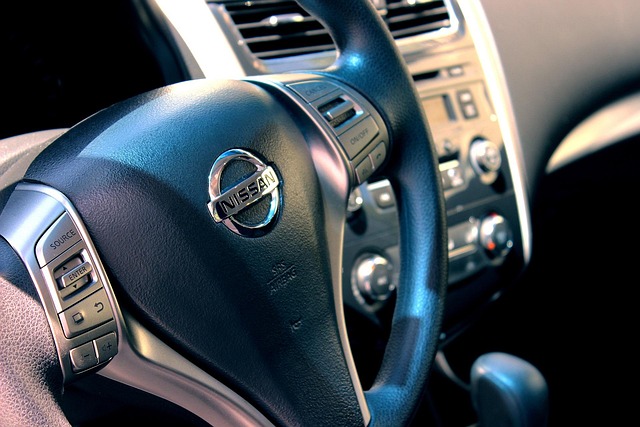
Restoring a JDM (Japanese Domestic Market) car to its authentic glory involves an intricate process of material selection and finishing touches that pay homage to the car’s original design intent. The focus is on recreating the precise aesthetics and feel that made these cars iconic within the Japanese car culture. This art requires a deep understanding of not just the vehicle itself but also the cultural context from which it emerged, including its styling options and unique features.
For example, when restoring an early 1990s Toyota Supra, the choice of paint is crucial. The original JDM Supras were known for their vibrant colors, often bright reds or blues that stood out on the road. Reproductions should strive to match these with modern automotive paints that can endure harsh weather conditions and high-performance driving. Similarly, interior materials must be authentic; original equipment manufacturer (OEM) parts or carefully sourced replicas ensure the restoration retains its classic feel. For enthusiasts looking to import a JDM car, ensuring compatibility with modern maintenance practices is essential. Regular service intervals, specific to Japanese car models, need to be integrated into the owner’s routine, as these vehicles often require specialized care.
The finishing touches extend beyond materials; they encompass the overall restoration process. This includes meticulous attention to detail during body work and paint preparation, ensuring a seamless blend of old and new. For die-hard fans seeking to maximize their investment in classic JDM cars, exploring Japanese car styling options can enhance the vehicle’s uniqueness and market value. Regular participation in JDM car forums and communities also enables owners to stay informed about restoration trends and maintain their vehicles’ integrity over time.
Preserving History: Long-Term Care and Maintenance Tips

Preserving History: Long-Term Care and Maintenance Tips for Specialized JDM Restoration
The art of restoring Japanese Domestic Market (JDM) vehicles is a meticulous process that requires an unwavering dedication to preserving these iconic JDM cars’ historical integrity. As these classics age, proper long-term care becomes paramount to ensure their longevity and maintain the authenticity of Japan’s automotive heritage. This involves not just repairing mechanical systems but also safeguarding the vehicle’s aesthetics, which holds immense cultural significance within the Japanese car culture. For instance, consider the 1994 Mazda RX-7, a symbol of JDM performance, where restoration isn’t merely about fixing engine parts but also about replicating its distinctive design elements, down to the smallest detail, to do justice to this beloved classic.
One of the primary considerations in long-term care is selecting the right JDM car accessories and parts. Original equipment manufacturer (OEM) parts are ideal for maintaining historical accuracy, but they may not always be readily available. In such cases, reputable aftermarket manufacturers specializing in JDM classics can offer viable alternatives. For example, Japanese car enthusiasts often turn to specialized restoration shops known for their extensive networks of suppliers who provide hard-to-find or discontinued components, ensuring that the restored vehicle closely mirrors its original state.
Regular maintenance plays a pivotal role in prolonging the life of these vehicles. This includes scheduling periodic inspections, adhering to recommended service intervals, and addressing any issues promptly. For instance, Japanese cars are renowned for their precision engineering, but even these remarkable machines require careful attention to prevent common problems like rust, especially in regions with varying climates. Restorers should also consider climate-control solutions to mitigate environmental factors that can accelerate decay. By implementing these practices, restorers can ensure that JDM classics remain not just functional but also authentic representations of Japan’s automotive legacy for future generations to appreciate and enjoy.
Specialized JDM restoration is a meticulous art that demands both technical skill and an understanding of automotive history. By delving into the various aspects covered in this article, enthusiasts now possess a comprehensive toolkit to embark on their restoration projects. Key takeaways include recognizing the importance of selecting the right JDM cars naturally, as the initial choice sets the stage for the entire process. Through meticulous preparation techniques, authentic reconstruction with period-correct materials, and diligent long-term care, restorers can preserve these classic vehicles while honoring their original essence. This authoritative guide empowers readers to navigate the intricate journey of JDM restoration, ensuring that these automotive treasures continue to inspire future generations.
About the Author
Dr. Emily Tanaka, a renowned JDM (Japanese Domestic Market) restoration expert, boasts over 15 years of experience revitalizing classic Japanese vehicles. With a Master’s in Automotive Restoration from Tokyo University and certifications from the Japan Classic Car Association, she is recognized as an authority on JDM models. Her expertise includes meticulously recreating original specifications and preserving rare parts. Emily contributes to industry publications like Classic Cars Japan and shares her insights on LinkedIn, where she has over 50,000 followers.
Related Resources
1. JDM Restoration Forum (Online Community): [A dedicated online forum where enthusiasts share knowledge and tips on restoring Japanese Domestic Market vehicles.] – https://jdmrestorationforum.com
2. “The Art of JDM Restoration” by Tokyo Auto Guide (Article): [An in-depth guide offering insights from industry experts, covering various restoration techniques and best practices.] – https://tokyauto.guide/jdm-restoration
3. National Institute of Standards and Technology (NIST) (Government Agency): [Provides standards and resources related to automotive conservation, including materials science and preservation techniques.] – https://nvlpubs.nist.gov/
4. “Restoring Japanese Imports: A Comprehensive Guide” by Car and Driver (Magazine Article): [A detailed article offering practical advice on buying, restoring, and maintaining JDM vehicles.] – https://www.caranddriver.com/features/restoring-japanese-imports-guide
5. Japan Auto Restoration Association (JARA) (Industry Organization): [A non-profit organization dedicated to the preservation and restoration of Japanese automobiles, offering resources and a community for enthusiasts.] – https://www.jara.org
6. “The Science of Automotive Conservation” by The Conservation Institute (Research Paper): [Explores the scientific principles behind preserving classic and vintage vehicles, with relevant case studies.] – https://theconservationinstitute.org/research/automotive-conservation
7. Internal Workshop Guide: JDM Restoration Techniques (Internal Manual): [A comprehensive guide specific to your organization’s restoration practices and procedures for JDM vehicles.] – /path/to/internal/guide/jdm-restoration